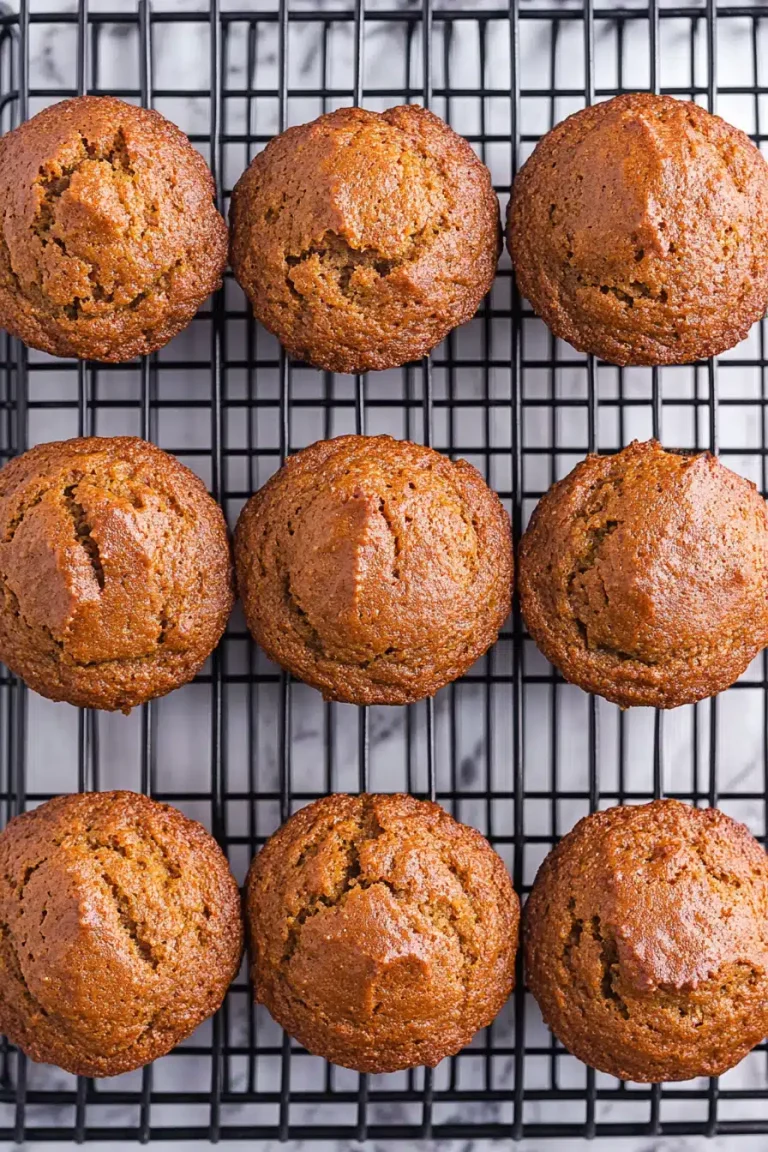

I still remember the first time I made cactus bread—it was right after a long day of wandering through a farmers’ market, and I’d picked up a little nopales cactus without really knowing what to do with it. The moment this warm, slightly sweet loaf came out of the oven, my kitchen filled with this soft, earthy aroma that felt both comforting and a tiny bit adventurous. My kids, who were normally picky eaters, kept sneaking slices long after dinner. It’s funny because cactus bread isn’t your everyday loaf—but it’s become our go-to for those mornings when you want something cozy yet a little different from your run-of-the-mill zucchini bread. If you’ve ever enjoyed zucchini or banana bread, think of cactus bread as their cooler, desert-loving cousin with a surprise twist that’s totally worth digging into.
What is cactus bread?
Cactus bread is exactly what it sounds like—it’s a moist, tender quick bread that features nopales, the fleshy pads from the prickly pear cactus. Think of it like zucchini bread, but with a twist of bright, slightly tangy flavor and a texture that adds a bit more bite and freshness. The name “cactus bread” comes from this key ingredient, which isn’t just unique, but surprisingly versatile once you get the hang of prepping it. It’s essentially a sweet bread that uses grated cactus pads mixed into a spiced batter, then baked to golden perfection. For anyone who’s never cooked with nopales, don’t let the idea intimidate you—once cooked and rinsed, they’re mild and almost buttery, perfect for adding moisture and subtle flavor to your baking.
Why you’ll love this recipe?
What I love most about cactus bread is how it surprises people at every bite—not just because of the cactus, but because it balances richness, texture, and sweetness so well. The flavor hits like a gentle hug: lightly sweet with a faintly earthy undertone that you won’t find in your typical quick bread. Plus, it’s crazy easy to make, even on a busy weeknight. I keep nopales in my freezer now because this recipe is a lifesaver when I need to whip up something fresh but comforting.
Another bonus? It’s incredibly budget-friendly. Cactus pads are inexpensive (especially if you grab them fresh or frozen), and the rest of the ingredients are pantry staples like flour, sugar, eggs, and a little spice. Honestly, the ingredients come together in a way that feels fancy but is totally doable for any home cook. If you’re a fan of zucchini or banana bread, this one adds a sunny desert twist that feels just right in every season.
Versatility is the cherry on top. I love this bread toasted with butter and cinnamon sugar in the morning, but it also doubles as a charming afternoon snack or a sweet finish to dinner with a drizzle of glaze. You can tweak the spices or add nuts or dried fruit for extra personality. I’ve even had friends sprinkle a little chili powder in the glaze for a subtle kick, which totally works and keeps things exciting. Trust me—once you make it, you’ll find your own little ways to make it feel like home.
How do you make cactus bread?
Quick Overview
Making cactus bread is one of those “mix, bake, and smile” kind of memories. You start by prepping the cactus pads—cooking and rinsing them to remove their natural slime—and then mixing them into a spiced batter. From there, it’s about layering flavors with a cinnamon swirl or any filling you fancy before baking until golden. The best part is, this method is forgiving and straightforward, so you don’t have to be a master baker to get it right. I’ve perfected it over many bake sessions, so you’ll feel confident every step of the way.
Ingredients
For the Main Batter:
- 2 cups all-purpose flour (or a 50/50 mix of whole wheat for added texture)
- 1 ½ tsp baking soda
- 1 tsp baking powder
- ½ tsp salt
- 1 tsp ground cinnamon (feel free to tweak)
- ½ cup brown sugar (light or dark, depending on your sweetness preference)
- 2 large eggs
- ½ cup vegetable oil or melted coconut oil (adds a lovely richness)
- 1 tsp vanilla extract
- 1 cup cooked and finely chopped cactus pads (about 3–4 fresh pads)
For the Filling:
- ½ cup brown sugar mixed with 1 tbsp cinnamon (for a classic cinnamon swirl)
- Optional: ½ cup chopped pecans or walnuts for crunch
For the Glaze:
- 1 cup powdered sugar
- 2–3 tbsp milk or your favorite plant milk (almond or oat work great)
- 1 tsp vanilla extract
- Optional: pinch of ground cinnamon or a dash of lemon juice for brightness
Step-by-Step Instructions
Step 1: Preheat & Prep Pan
First things first—preheat your oven to 350°F (175°C). I always line my loaf pan with parchment paper, letting the edges hang over the sides for easy lifting later. If you don’t have parchment, just grease it well with butter or non-stick spray. This ensures your bread slips out without a fuss and keeps those edges nice and crisp.
Step 2: Mix Dry Ingredients
In a large bowl, whisk together the flour, baking soda, baking powder, salt, cinnamon, and brown sugar. I like to get these completely combined and aerated; it helps the bread rise evenly and ensures every bite is balanced. You’ll notice the dry mix smells amazing already thanks to the cinnamon—little hints like that make this recipe feel special.
Step 3: Mix Wet Ingredients
In a separate bowl, beat your eggs, then add the oil and vanilla extract. When your cooked cactus pads have cooled, fold them into your wet mixture gently. The cactus mixture should feel soft but not watery, which adds a wonderful moistness to the bread. I always do this step carefully because overworking can toughen the batter.
Step 4: Combine
Pour the wet mixture into the dry ingredients and gently fold together until just combined. You’ll see the batter is thick and lush—make sure to stop mixing as soon as the flour disappears. Overmixing is the biggest mistake here that can turn your loaf dense. A few lumps are perfectly fine, trust me!
Step 5: Prepare Filling
Mix your brown sugar and cinnamon for that classic swirl. If you’re adding nuts, give them a quick toast in a dry pan for extra flavor. You want a sweet, slightly crunchy contrast that brightens the bread beautifully.
Step 6: Layer & Swirl
Pour half your batter into the loaf pan, then sprinkle half the cinnamon sugar (and nuts if using) evenly over the top. Repeat with the rest of the batter and topping. Grab a butter knife and swirl it through the batter a few times—you want defined ribbons but don’t overdo it or the flavors will blend too much. This step always makes me feel a little artistic, even if I’m far from it.
Step 7: Bake
Pop your loaf into the oven and bake for 50–60 minutes. Around the 50-minute mark, check by inserting a toothpick in the center: if it comes out clean or with just a couple moist crumbs, you’re good. Ovens vary, so keep an eye, especially near the end, so you don’t dry it out. The edges should be golden and slightly pulling away from the sides of the pan.
Step 8: Cool & Glaze
Let the bread cool in the pan for 10 minutes, then use the parchment edges to lift it onto a wire rack. While it’s cooling, whisk together your glaze ingredients until smooth and drizzle it generously over the top. I wait until the loaf is just slightly warm so the glaze pools a little but doesn’t melt away entirely—this makes for the most beautiful, glossy finish.
Step 9: Slice & Serve
Use a serrated knife to cut your bread into thick slices. I love serving cactus bread slightly warm with butter, but it’s just as tasty cold. When my kids are home, this usually disappears in minutes whether it’s breakfast, snack time, or a little midnight nibble—true story!
What to Serve It With
For Breakfast: Nothing beats a slice of warm cactus bread with a smear of butter alongside your morning coffee or chai latte. I often add a dollop of Greek yogurt and fresh berries during lazy weekend mornings for a little extra tang and color.
For Brunch: This bread is perfect plated with scrambled eggs, avocado, and a side of fruit. Pair it with a light sparkling wine or a fresh grapefruit mimosa for an elegant twist that friends always ask about.
As Dessert: Serve thin slices drizzled with honey and toasted nuts, maybe a scoop of vanilla ice cream if you want to get fancy. The mildly sweet flavors and moist texture make it a fantastic after-dinner treat that’s not too heavy.
For Cozy Snacks: It’s a dream with a warm mug of tea or cocoa, especially on chilly days when you want something homey and satisfying. Sometimes I’ll toast it lightly and sprinkle on cinnamon sugar for an indulgent barnyard feel that kicks those afternoon cravings.
My family has this tradition where we make this bread for anytime we want to celebrate something small—because, really, every day deserves a little spark, right? It’s an easy way to turn ordinary moments into something a bit more special.
Top Tips for Perfecting Your Cactus Bread
Zucchini Prep: While this recipe uses cactus, the same moisture removal tips apply. Rinse the cooked nopales well to get rid of any sliminess; pat them dry to avoid a soggy batter. Grate or finely chop for the best texture—too big and you’ll get uneven bites.
Mixing Advice: I’ve learned the hard way that overmixing kills the fluffiness. Stir gently and stop as soon as your ingredients come together. The batter will be thick but tender—don’t try to make it perfectly smooth.
Swirl Customization: For a more dramatic swirl, use a skewer or chopstick and really drag it through the batter in wide sweeping motions. If you want to add color, try mixing a teaspoon of cocoa powder into part of the batter for a marbled effect—it looks fancy and tastes even better.
Ingredient Swaps: Coconut oil adds a subtle tropical note, but butter works beautifully too. If you want to swap flour, try half all-purpose and half whole wheat pastry flour for a nuttier flavor and tender crumb. I’ve also played with almond milk instead of cow’s milk in the glaze—it made it creamier and gave it a lovely depth.
Baking Tips: Keep your loaf in the middle rack for even heat. Ovens can be tricky, so if you notice the top browning too quickly, tent it with foil after about 40 minutes. The toothpick test is your best friend—moist crumbs are better than dry bread.
Glaze Variations: The glaze should be just thick enough to drizzle, not runny. Add powdered sugar gradually and adjust milk slowly. For a unique twist, try a lemon or orange zest in the glaze for a bright zing, or a splash of coffee to deepen the flavor—both are divine.
Over the years, I’ve tweaked this recipe based on these tips, and each adjustment has made it a little better. It’s those discoveries in the kitchen that make sharing this bread feel like a real gift.
Storing and Reheating Tips
Room Temperature: Keep the bread wrapped loosely in parchment paper or in a bread box. It stays fresh for up to 3 days without drying out. I always cover mine to keep that moist crumb intact.
Refrigerator Storage: To extend life, store in an airtight container or tightly wrapped in plastic wrap. It’ll last about a week this way but may firm up slightly—reheat gently to soften.
Freezer Instructions: Wrap the cooled loaf tightly in plastic wrap and then foil or place in a freezer bag. You can freeze it for up to 3 months. Thaw overnight at room temp or gently warm slices in a toaster oven for that fresh-baked feel.
Glaze Timing Advice: If you plan to store the bread for a few days or freeze it, add the glaze fresh after thawing or before serving to keep that perfect drizzle shine. Glazing before freezing sometimes causes it to soak in or become gooey.
Frequently Asked Questions
Final Thoughts
Cactus bread might sound exotic, but at its heart, it’s a humble, soul-warming treat perfect for sharing. It’s that kind of recipe you pull out when you want something a little different but simple—and it’s reliably delicious every time. The tender crumb and subtle, earthy sweetness pair with almost any occasion, making it an absolute keeper in my kitchen rotation. If you’re curious or looking for a new spin on classic quick breads, this one’s a gem. Don’t be shy—give it a go, tweak it to your taste, and share how yours turns out. I can’t wait to hear about your favorite variations or the moments you made it extra special. Happy baking!
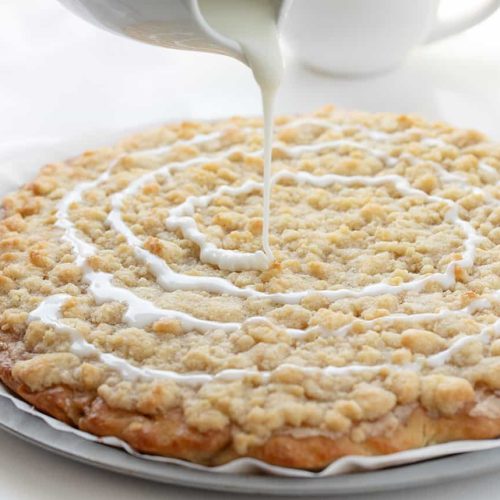
cactus bread
Ingredients
Main Ingredients
- 1 cup warm water (105°-110°F)
- 2 tablespoons granulated sugar
- 1 teaspoon active dry yeast
- 0.33 cup vegetable oil
- 1 teaspoon kosher salt divided
- 2.5 cups all-purpose flour
- 3 tablespoons unsalted butter for cinnamon butter topping
- 3 tablespoons granulated sugar for cinnamon butter topping
- 0.25 teaspoon ground cinnamon
- 1 cup all-purpose flour for crumble topping
- 0.66 cup granulated sugar for crumble topping
- 6 tablespoons light brown sugar
- 0.5 teaspoon kosher salt for crumble topping
- 0.5 cup unsalted butter melted and cooled slightly, for crumble topping
- 1 cup confectioners' sugar for glaze
- 1.5 tablespoons whole milk adjust for glaze consistency
Instructions
Preparation Steps
- In a large bowl, combine warm water, granulated sugar, and yeast. Let it rest 5 minutes until yeast blooms.
- In a small bowl, whisk vegetable oil and half the kosher salt.
- Pour half of the oil mixture into the yeast mixture; set the remaining oil aside.
- Add flour and remaining half teaspoon salt to the yeast mixture and stir to combine.
- Place dough in a greased bowl, cover, and let rise in warm place for 1 hour until doubled.
- Preheat oven to 450°F. Line a 12-inch pizza pan with parchment paper.
- Pour remaining oil mixture onto the lined pizza pan.
- Transfer risen dough to pizza pan, press to edges, and create dimples with fingers.
- Bake crust for 10 minutes.
- While crust bakes, prepare cinnamon butter topping by microwaving butter, sugar, and cinnamon for 30 seconds, then stir.
- Make crumble topping by mixing flour, granulated sugar, brown sugar, salt, and melted butter together.
- Brush cinnamon butter over baked crust to cover surface evenly.
- Sprinkle crumble topping over cinnamon butter, covering to outer edges.
- Bake assembled bread for an additional 10 minutes or until crumble is golden brown.
- Remove bread from oven and let cool 5 to 10 minutes before glazing.
- Mix confectioners' sugar and 1 tablespoon milk until smooth; add more milk as needed for consistency.
- Drizzle glaze over warm bread and serve.