
You know those days? The ones where the sun decides to take a personal day, the to-do list is longer than your arm, and all you can think about is wrapping your hands around something warm and utterly comforting? Yeah, me too. And on those days, there’s one thing that always, *always* saves me: a perfectly crafted coffee latte. It’s not just a drink; it’s a little hug in a mug, a moment of pure bliss in the chaos. Forget those fancy coffee shops for a minute; I’m going to share with you my tried-and-true method for making a coffee latte at home that tastes even better, and believe me, it’s surprisingly simple. It’s the kind of recipe that feels like it’s been passed down through generations, even though I probably perfected it after one too many late nights trying to get work done. This coffee latte isn’t just about the caffeine kick; it’s about that creamy, dreamy texture and the rich, comforting aroma that fills the whole kitchen. It’s my secret weapon for making even the most mundane mornings feel special, and honestly, it’s the only thing that gets me through those afternoon slumps without reaching for something sugary and regretful.
What is a coffee latte?
So, what exactly is this magical concoction we call a coffee latte? At its heart, it’s beautifully simple: it’s espresso and steamed milk. But oh, that’s like saying a symphony is just notes! A true coffee latte is about the harmonious balance between the bold, rich espresso and the smooth, velvety steamed milk. The milk is frothed just enough to create a delicate foam on top, but not so much that it becomes a stiff meringue. Think of it as a warm, comforting embrace for your taste buds. The name “latte” itself comes from the Italian word for milk, which makes perfect sense because milk is the star here, softening the intensity of the espresso and creating that signature creamy texture. It’s not a cappuccino with its distinct layers of foam, nor is it a flat white which has a thinner, more integrated milk texture. A coffee latte is that comforting middle ground, a universally loved drink that’s both sophisticated and incredibly approachable for anyone wanting a delicious coffee experience.
Why you’ll love this recipe?
Why do I love making this coffee latte?flavor is just out of this world. When you get the ratio of espresso to milk just right, you get this incredible depth of flavor – you taste the rich, slightly bitter notes of the coffee, perfectly complemented by the natural sweetness and creaminess of the milk. It’s like a warm hug for your senses. Then there’s the simplicity. Seriously, once you get the hang of it, you can whip up a cafe-quality coffee latte in your own kitchen in just a few minutes. It’s a lifesaver on busy mornings when you want something a bit more special than just black coffee but don’t have time for a whole production. And let’s talk about Cost-efficiency: What is the best way to measure cost-efficiency?. You know how quickly those coffee shop tabs can add up? Making this at home is ridiculously budget-friendly. You’re using simple, everyday ingredients, and the savings over time are pretty significant. Plus, the versatility is a huge plus. This basic coffee latte is a fantastic canvas. You can easily add a dash of vanilla syrup, a sprinkle of cinnamon, or even a drizzle of chocolate sauce to create a whole new flavor profile. I’ve even experimented with different types of milk – oat milk makes it incredibly creamy, and almond milk gives it a lovely subtle nutty undertone. It’s perfect for a quick breakfast pick-me-up, a delightful afternoon treat, or even a little indulgence after dinner when you’re craving something sweet but don’t want to bake. What I love most about this recipe is that it feels both decadent and accessible. It’s that little luxury you can give yourself every day without breaking the bank or spending ages in the kitchen. It’s the perfect antidote to a tough day, a perfect companion to a good book, and honestly, my kids have even started asking for mini, less-caffeinated versions!
How to Make a Coffee Latte
Quick Overview
This coffee latte recipe is all about achieving that perfect creamy texture and rich flavor with minimal fuss. We’ll start by brewing some strong espresso, then steaming and frothing your milk to a velvety smooth consistency, and finally, bringing it all together. The key here is the quality of your espresso and how well you steam your milk. It’s a simple process that results in an incredibly satisfying drink. Trust me, once you master this, you’ll wonder why you ever bothered with anything else.
Ingredients
For the Espresso Base:
2 shots of good quality espresso (about 2 ounces). If you don’t have an espresso machine, strong brewed coffee or Moka pot coffee works too, just make sure it’s nice and potent!
For the Steamed Milk:
1 cup whole milk (or your preferred milk like oat, almond, or soy). Whole milk froths the best for that classic creamy texture, but don’t be afraid to experiment! I find oat milk gives a really luxurious creaminess too.
Optional Sweetener:
1-2 teaspoons sugar, honey, or your favorite sweetener. I usually start with just a tiny bit and add more if needed, as the milk itself has a natural sweetness.
Optional Flavorings:
Vanilla extract, cinnamon, cocoa powder, or flavored syrups.
Step-by-Step Instructions
Step 1: Brew Your Espresso
This is where the magic begins! Brew your espresso. If you’re using an espresso machine, aim for two concentrated shots. If you’re using a Moka pot or strong coffee, brew about 2 ounces of very strong coffee. The bolder the coffee flavor, the better your coffee latte will taste. I always pre-warm my mug with hot water while the espresso is brewing; it helps keep your latte warm for longer.
Step 2: Steam and Froth Your Milk
Pour your milk into a heatproof pitcher or a small saucepan. If you have a steam wand on your espresso machine, use that! Submerge the tip just below the surface of the milk and turn it on. You want to hear a gentle hissing sound as you incorporate air, creating microfoam. Move the pitcher up and down slightly to heat the milk evenly to about 150-160°F (65-70°C). If you don’t have a steam wand, you can heat the milk on the stovetop over medium-low heat until it’s steaming but not boiling. Then, you can use a handheld frother, an immersion blender, or even vigorously whisk it in a French press to create foam. The goal is a smooth, velvety texture with tiny bubbles, not big, airy ones.
Step 3: Sweeten and Flavor (Optional)
While your milk is steaming, you can add your sweetener and any optional flavorings like vanilla extract or a spoonful of cocoa powder directly into your mug with the espresso. Stir to combine. I always taste my espresso mixture before adding the milk, just to make sure the sweetness is right where I want it. Sometimes, a little goes a long way!
Step 4: Combine the Espresso and Milk
Pour the steamed milk into your mug with the espresso mixture. Hold back the foam with a spoon initially, pouring the hot milk in first to incorporate it well. Then, gently spoon the frothed milk on top. You should have a beautiful, creamy drink with a lovely layer of foam. If you’re feeling fancy, you can try a simple latte art pour!
Step 5: Serve and Enjoy
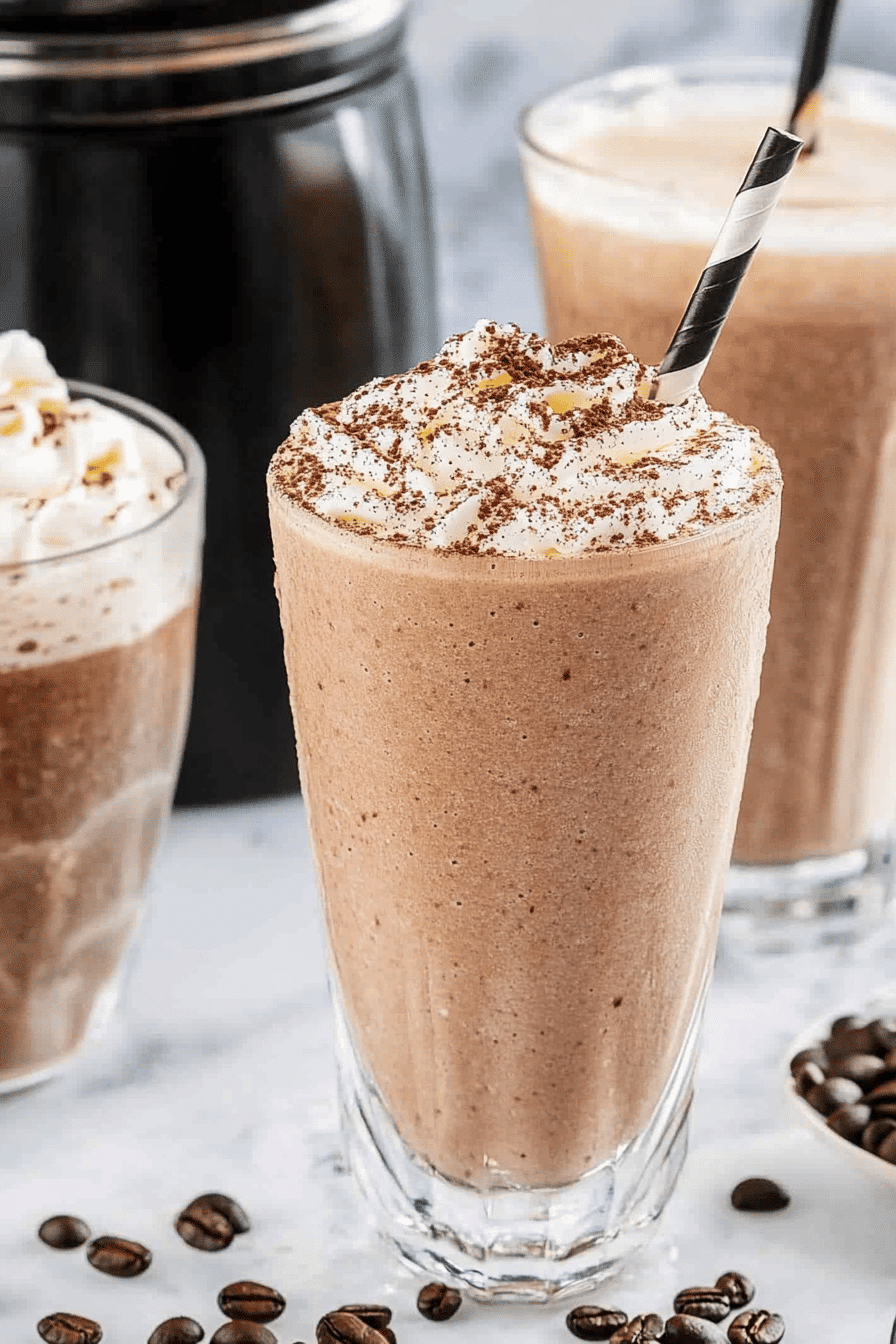
Your homemade coffee latte is ready! Take a moment to admire the creamy texture and rich aroma before you take that first sip. It’s pure comfort in a cup.
What to Serve It With
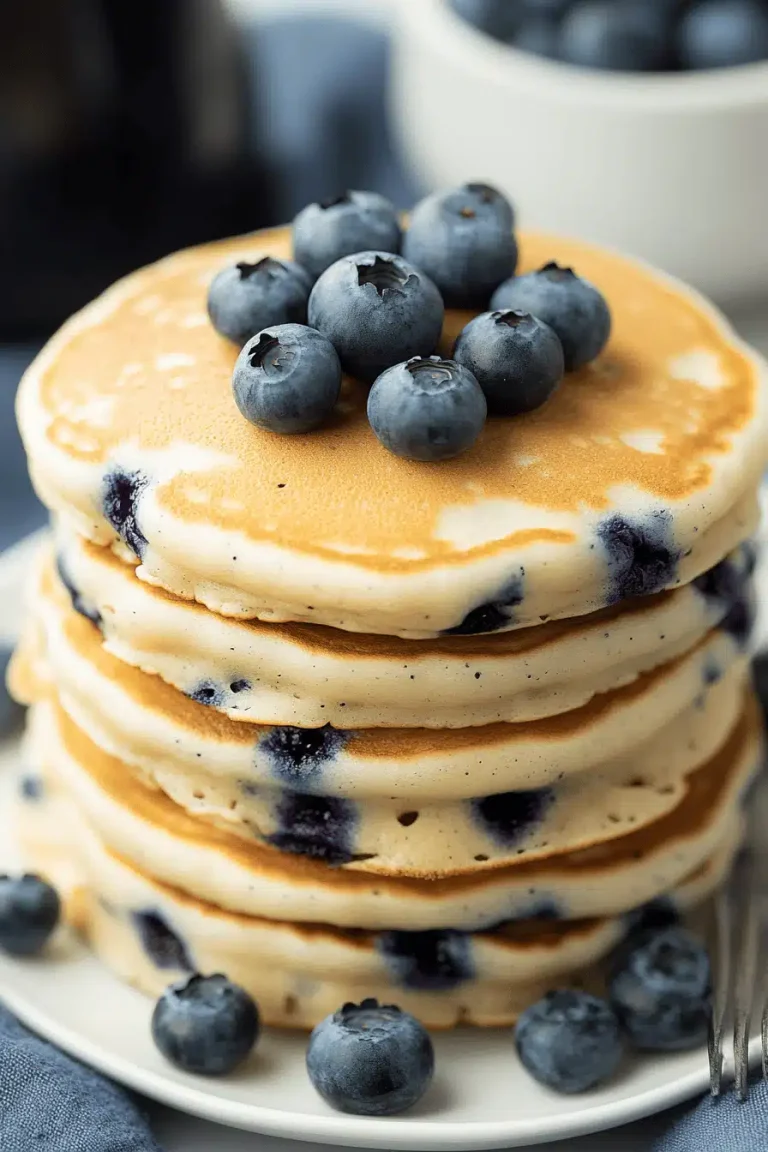
This coffee latte is so wonderfully versatile, it’s not just a standalone treat, but it also pairs beautifully with so many things! For breakfast, it’s practically mandatory. A warm coffee latte with a flaky croissant or a piece of homemade toast with jam is pure morning bliss. The richness of the latte cuts through the sweetness of the jam beautifully. For brunch, it elevates the whole experience. Imagine serving it alongside some fluffy pancakes or savory quiche. It adds a touch of elegance to the meal. I love a latte with a perfectly baked scone; the slightly denser texture of the scone is a lovely contrast to the smooth latte. As a dessert, it’s simply divine. Instead of a heavy cake, a coffee latte paired with a few delicate cookies or a small piece of dark chocolate can be incredibly satisfying. It’s the perfect way to end a meal without feeling overly full. And for those cozy snacks when you just need a little pick-me-up? A coffee latte is your best friend. It’s perfect with a handful of roasted nuts, a slice of Banana Bread, or even just on its own while you’re curled up on the couch with a good book. My family tradition is to have a small, less-caffeinated version of this coffee latte on Saturday mornings while we read the paper or play a board game. It just sets such a relaxed and happy tone for the weekend.
Top Tips for Perfecting Your Coffee Latte
Making a truly fantastic coffee latte at home is all about a few key details, and after countless cups, I’ve picked up a few tricks that make all the difference. First, quality matters for your espresso. If you can’t get freshly ground beans or have a great espresso machine, don’t despair! A good Moka pot can make a strong, concentrated coffee that works wonders, or even a French press coffee brewed extra strong. Just make sure it has a deep, rich flavor profile. For the milk, don’t overheat it! Overheated milk can taste scalded and won’t froth as well. Aim for that 150-160°F range. If you’re using a steam wand, the sound is your guide – a gentle, consistent hiss means you’re incorporating air beautifully. If you’re heating it on the stove, watch it closely; it should be steaming, not bubbling vigorously. When you’re frothing, aim for microfoam – tiny, velvety bubbles that create a smooth, glossy texture. Big, airy bubbles make for a foamy, less creamy drink, which isn’t quite what we’re going for in a classic coffee latte. I learned this the hard way when I first started – I’d end up with more foam than milk! My biggest lesson learned was probably about the temperature of everything. Pre-warming your mug is a game-changer; it keeps your latte warm longer, allowing you to savor it. Also, if you’re adding sweeteners or flavors, stir them into the espresso *before* you add the milk. This ensures they’re fully dissolved and evenly distributed. For my ingredient swaps, I’ve found that while whole milk gives the creamiest result, oat milk is a fantastic dairy-free alternative for frothing and texture. Almond milk is lighter, so if you use it, you might need to steam it a bit longer to get a good froth. Don’t be afraid to experiment! I’ve also found that if your milk isn’t frothing well, it might be because it’s too fresh; sometimes milk that’s been in the fridge for a few days froths better. Finally, for that perfect pour, practice makes perfect! Don’t get discouraged if your first few latte arts look more like abstract blobs. Focus on the smooth integration of milk and espresso first. The visual appeal is great, but the taste and texture are what truly make a coffee latte exceptional.
Storing and Reheating Tips
While a freshly made coffee latte is undeniably the best, there might be times when you have leftover steamed milk or you want to make a larger batch for later. If you have any leftover steamed milk, the best way to store it is in an airtight container in the refrigerator. It should stay fresh for about 2-3 days. When you want to reheat it, do so gently on the stovetop or in the microwave over low heat. Be careful not to boil it, as this can alter the texture. If you’ve made a larger batch of coffee or espresso base, you can store that in the fridge for a day or two as well. To reheat and assemble your coffee latte, warm your milk and your espresso separately, then combine as usual. However, I generally don’t recommend storing a fully assembled coffee latte because the foam tends to dissipate, and the flavors might not be as vibrant. For the best results, assemble it just before you’re ready to drink. If you’re planning ahead for a busy morning, you can brew your espresso the night before and store it in the fridge. In the morning, gently reheat the espresso, steam your milk, and combine. It’s a little bit of prep, but totally worth it for that delicious coffee latte without the morning rush. When it comes to quality, it’s really about the freshness of the milk and espresso. Stored milk might lose some of its frothing capability, but it will still make a tasty, creamy drink. Just be sure to taste it before you add any extra sweetener, as the milk’s sweetness can change slightly.
Frequently Asked Questions
Final Thoughts
So there you have it – my absolute favorite way to make a coffee latte at home. It’s a recipe that’s brought me so much comfort and joy over the years, and I truly hope it does the same for you. It’s more than just a drink; it’s that little moment of peace and warmth we all deserve, especially on those days when life feels a bit overwhelming. The beauty of this coffee latte lies in its simplicity and the incredible flavor you can achieve with just a few basic ingredients and a little bit of care. It’s proof that you don’t need to spend a fortune at a coffee shop to enjoy a truly exceptional cup. If you enjoy this comforting coffee latte, you might also love my recipe for rich Hot Chocolate or my spiced apple cider. They’re all about bringing that cozy, homemade goodness to your kitchen. I can’t wait to hear what you think of this coffee latte! Let me know in the comments how yours turns out, if you tried any fun flavor variations, or what your favorite time of day is to enjoy a warm, creamy latte. Happy sipping!
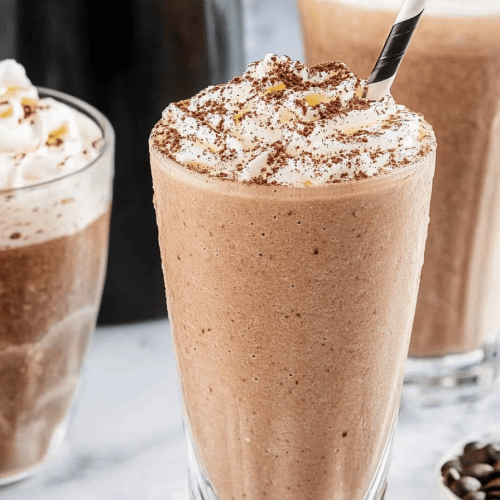
Coffee Latte
Ingredients
Main Ingredients
- 1.5 cups half and half
- 1 tbsp natural unsweetened cocoa powder
- 2 tbsp granulated sugar
- 0.25 tsp cinnamon
- 3 tbsp brewed espresso
Garnish (Optional)
- Whipped cream
- Chocolate shavings
- Chocolate sundae syrup
Instructions
Preparation Steps
- Add half and half, cocoa powder, sugar, and cinnamon to a medium pot over medium-low heat. Whisk together frequently until the mixture heats up and starts to steam.
- Pour the chocolate mixture into a milk frothing pitcher and froth with a frothing wand.
- Add the brewed espresso to a mug. Pour the frothed chocolate mixture on top. Top with whipped cream, chocolate shavings, and chocolate sundae syrup, if desired. Serve hot.