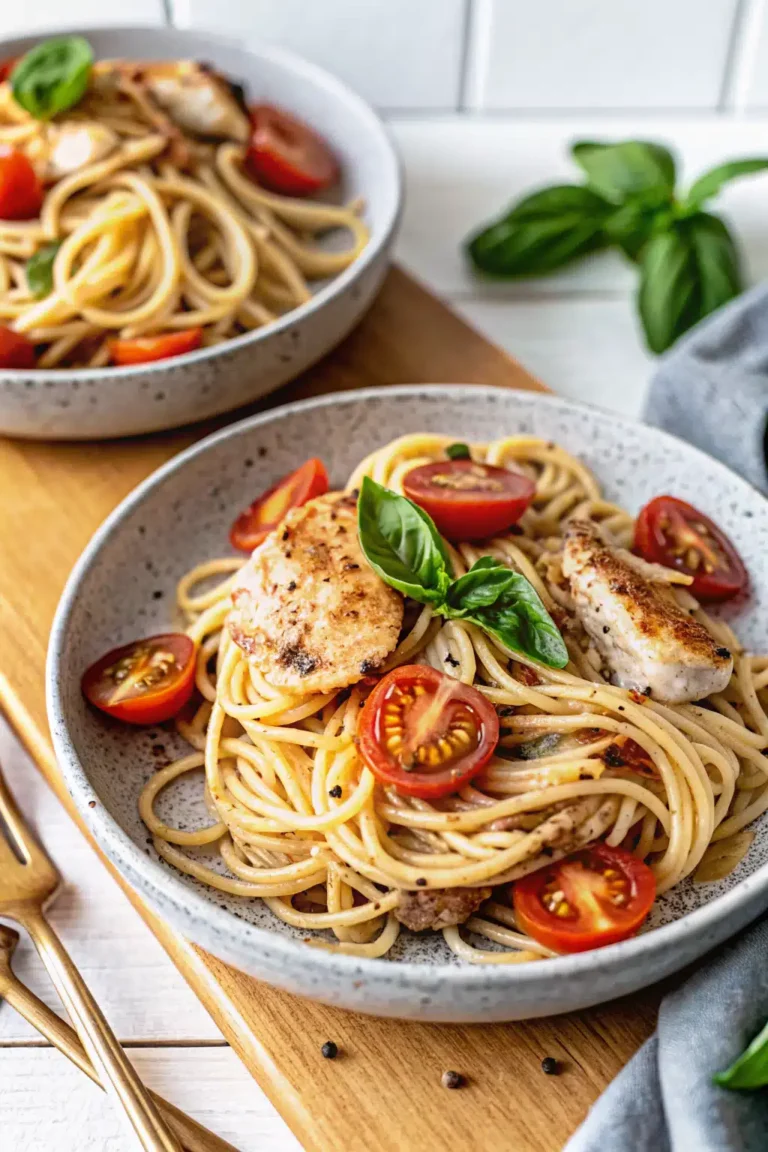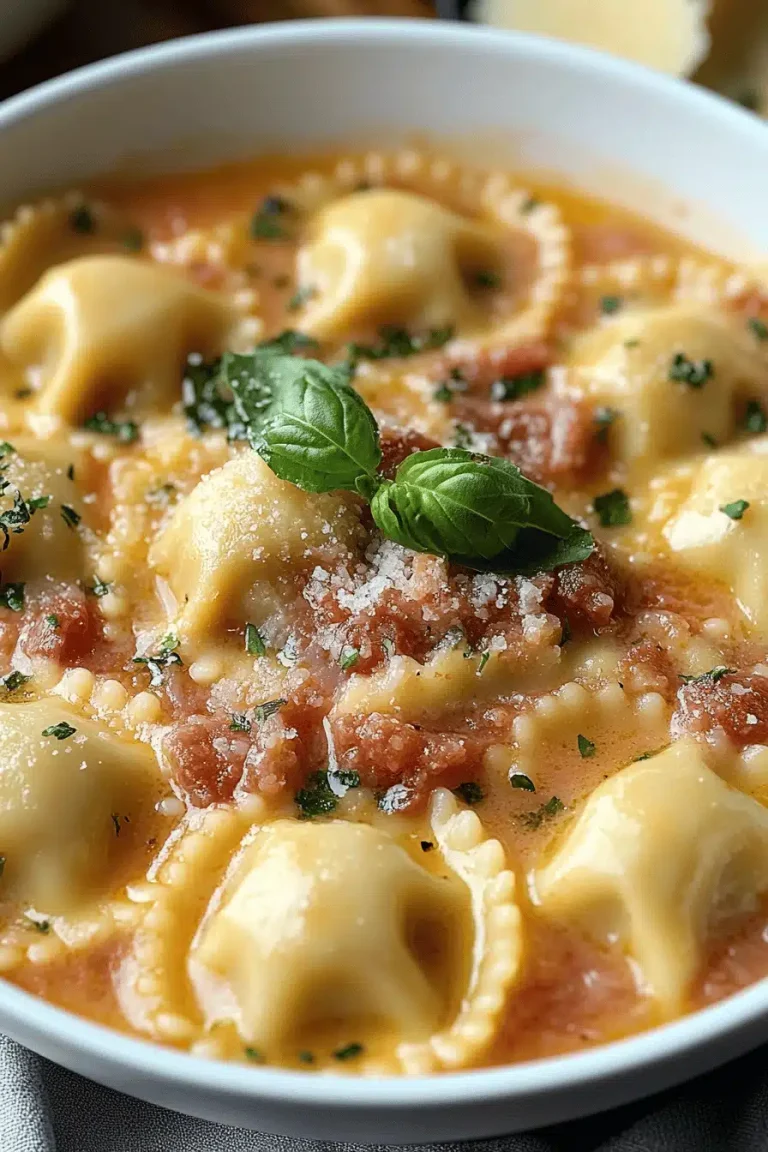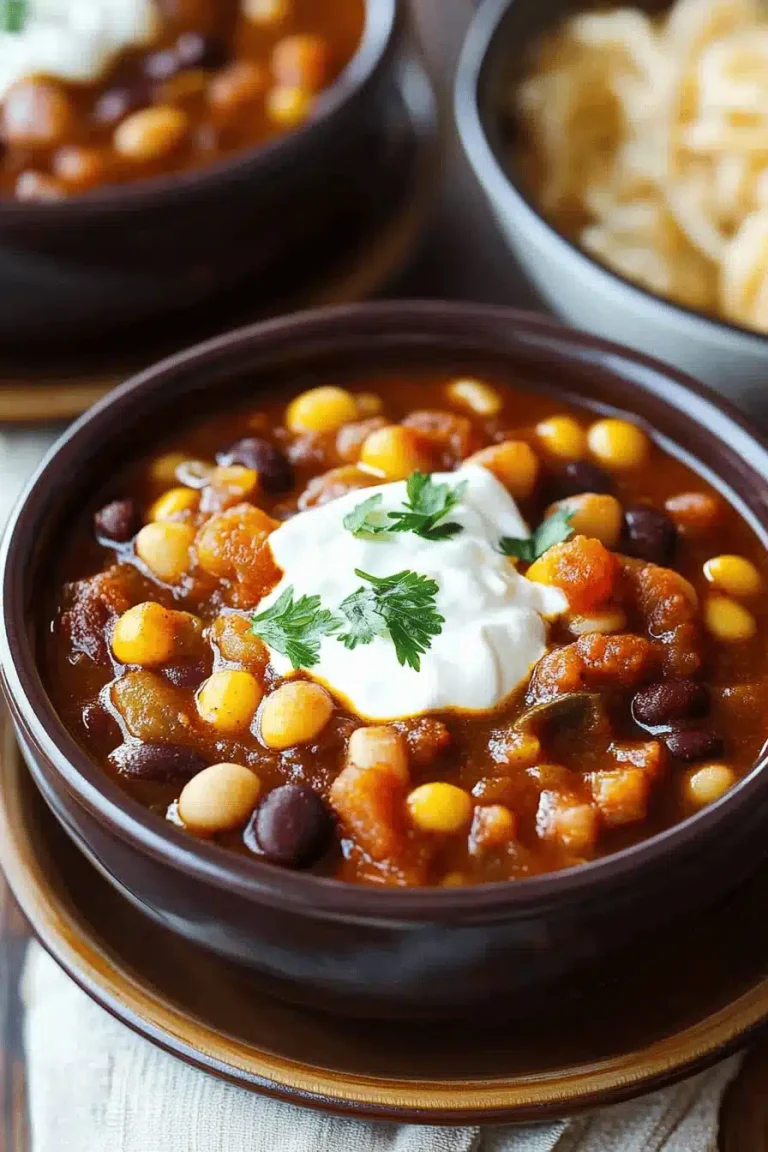

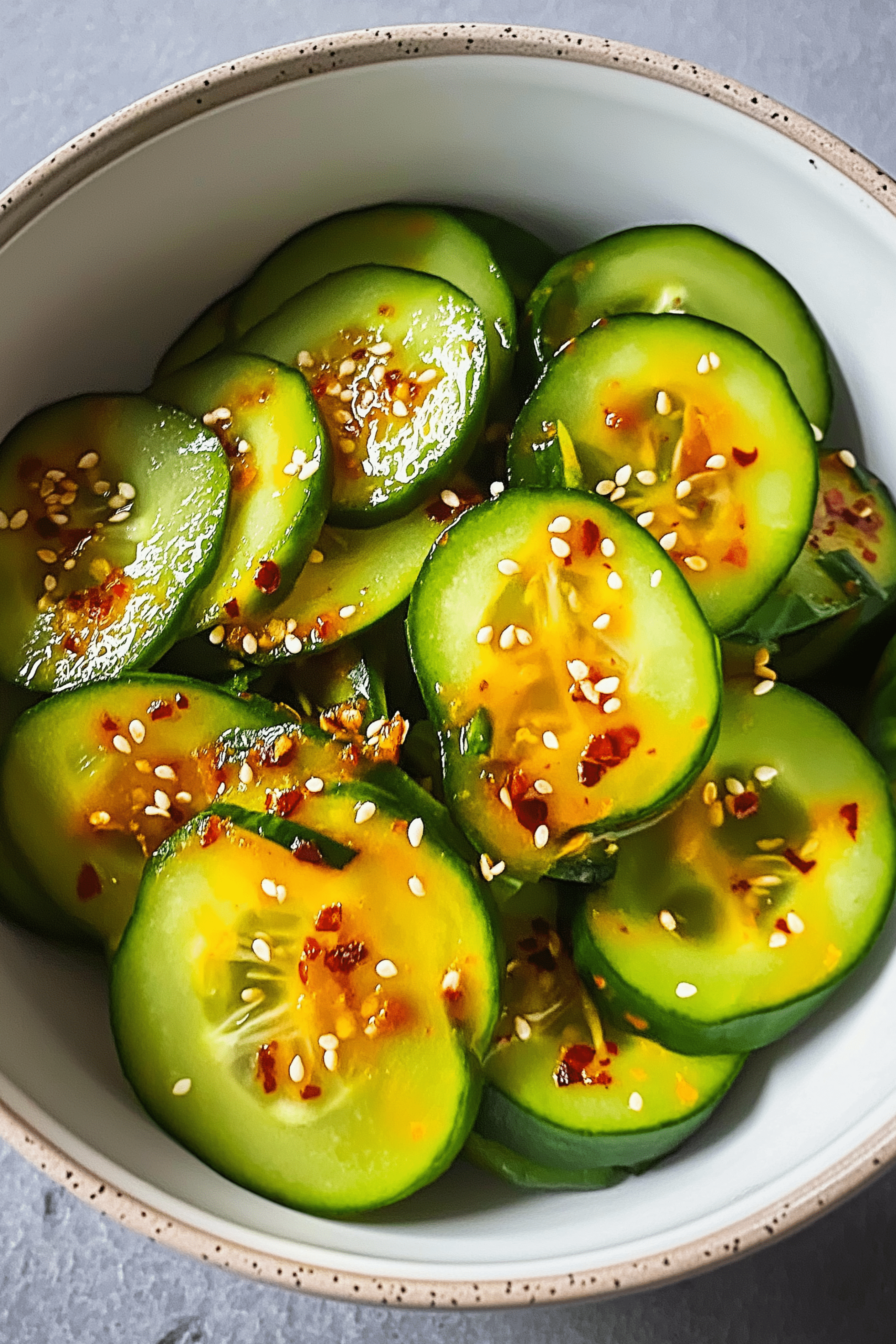
There’s nothing quite like that moment when you toss a salad for dinner, expecting just a boring pile of greens—but then it turns out to be one of those magic meals that hits all the right notes. You know, fresh but filling, light but packed with flavor, something you actually look forward to. Salad dinners have been a bit of a secret weapon in my kitchen, especially on those nights when I want something quick but satisfying, a little healthier but never dull. I remember one evening after a long day, just craving something green and vibrant, and out of sheer improvisation, I threw together a mix of spinach, roasted beets, crunchy walnuts, and a tangy balsamic dressing. It disappeared in minutes, the kids asked for seconds, and I knew salads could totally be dinner stars, not just sidekicks.
What is salad dinner?
Think of salad dinners as a fresh twist on dinner that breaks the mold of the typical heavy, cooked meal. It’s essentially an entire meal built around a hearty, flavorful salad that’s satisfying enough to replace pasta or meat-heavy dishes but without leaving you weighed down. Salad dinners often combine a balanced mix of leafy greens, proteins like grilled chicken or chickpeas, crunchy nuts or seeds, and sometimes even grains like quinoa or farro for that extra body. The beauty is it’s endlessly customizable and makes you feel like you’re eating a treat rather than just “a salad”. I love calling it “salad dinners” because it puts the spotlight on salads being the main event, not the supporting act.
Why you’ll love this recipe?
What I love most about salad dinners is how they juggle flavor and simplicity like pros. The flavors are always vibrant and fresh—you get that crisp bite of greens, the earthiness from roasted veggies or nuts, a punch of acidity from dressings, and sometimes a creamy dollop of something like avocado or goat cheese. This combo keeps every bite exciting. They’re also such a breeze to pull together, which has saved me countless evenings when I barely had the energy to cook. Just a handful of ingredients, some quick chopping, and boom—dinner’s served.
Also, these meals stretch your budget beautifully. You can tailor the ingredients based on what’s in season or what you have on hand, so you’re not always splurging for exotic items. Plus, the versatility is unbeatable: salad dinners can be warm or cold, vegetarian, vegan, or packed with protein, and they shine equally on busy weeknights or lazy weekends. If you’ve ever liked colorful grain bowls or Mediterranean mezze plates, consider this salad dinners’ cousin. Honestly, my family’s favorite weeknight meals now almost always include a “salad dinner” component—it’s just that reliable and satisfying.
How do I make salads?
Quick Overview
I always start by choosing a sturdy base—something that holds up to dressing, like kale, spinach, or romaine. Then I add layers of flavors and textures—think roasted veggies, crunchy nuts, fresh herbs, maybe some cooked protein tossed in last minute. The dressing is the unsung hero; I prefer a vibrant vinaigrette that brings everything together without overpowering the freshness. The whole process rarely takes more than 20 minutes once you get the hang of it, which is perfect for weeknights. Trust me, it’s all about building your salad in layers so every forkful surprises you.
Ingredients
For the Base:
- I always grab organic kale, spinach, or romaine – I always grab organic if I can, especially for kale since
- Mixed greens – baby arugula or watercress add a nice peppery kick.
For the Toppings:
- Roasted seasonal veggies (think butternut squash in fall, roasted beets or sweet potatoes)
- Cooked proteins (grilled chicken thighs, tofu cubes, or chickpeas for vegan options)
- Crunchy additions (toasted walnuts, almonds, or pumpkin seeds – I lightly toast them on the stove for that extra flavor punch)
- Fresh herbs (mint, basil, or parsley help brighten the whole dish)
- Cheese, if you like (crumbled feta or goat cheese are my go-tos)
For the Dressing:
- Extra virgin olive oil – quality makes a noticeable difference here.
- Acid (balsamic vinegar, red wine vinegar, or fresh lemon juice)
- Sweetener (a little honey or maple syrup balances the tang)
- Seasonings (salt, pepper, garlic powder, and a pinch of Dijon mustard for depth)
- Optional: a spoonful of Greek yogurt or tahini for creaminess
Step-by-Step Instructions
Step 1: Prep Your Greens
Rinse your greens thoroughly and spin them dry or pat with paper towels. The drier, the better—dressing sticks better, and you don’t end up with soggy salad. If you’re using kale, I always remove the tough stems and give the leaves a quick massage with a pinch of salt to soften them up. This little trick makes kale way more tender and less bitter.
Step 2: Roast Your Veggies
Chop your chosen veggies into bite-size pieces, toss with olive oil, salt, and pepper, and roast in a 400°F oven for 20–25 minutes or until tender and caramelized. I usually spread them on a single layer on a rimmed baking sheet so they roast evenly. Roasted veggies bring a gorgeous warmth and earthiness that makes these salad dinners comforting yet fresh.
Step 3: Cook Your Protein
While the veggies roast, grill or sauté your protein. For chicken, I season with salt, pepper, and a squeeze of lemon and cook it until golden and juicy but not dry. For tofu, I press it first to remove excess moisture, then pan-fry with a dash of soy sauce for extra flavor. Chickpeas are a quick no-cook route—I just season them with a bit of smoked paprika for interest.
Step 4: Toast Your Nuts
In a dry skillet over medium heat, toast your nuts or seeds until fragrant and just starting to brown—this takes only a few minutes and is a game-changer for texture and aroma. Keep an eye on them so they don’t burn!
Step 5: Whisk Together the Dressing
In a small bowl, whisk olive oil, vinegar or lemon juice, sweetener, salt, pepper, and mustard until emulsified. Taste and adjust accordingly. If you want creamy, this is where you’d whisk in Greek yogurt or tahini. The smell of this dressing always makes me eager to eat.
Step 6: Assemble the Salad
In a large bowl, toss your greens with just a bit of dressing to start—remember, you can always add more. Then layer in the roasted vegetables, protein, nuts, fresh herbs, and cheese if using. Toss gently again to distribute everything evenly. The colors should pop, and you’ll catch whiffs of all those delicious aromas.
Step 7: Serve and Enjoy
Serve immediately if you want that vibrant crunch, or let it sit for 10–15 minutes to meld the flavors, especially if using kale or heartier greens. This is the perfect time to give it a quick final toss before plating. My kids love dipping the veggies into any leftover dressing, so I sometimes just serve it on the side too.
What to Serve It With
For Breakfast: Salad dinners might sound unusual for the morning, but I’ve actually whisked up versions with spinach, cherry tomatoes, avocado, and a soft-boiled egg that’s perfect alongside a strong cup of coffee. It’s a refreshing way to start a day feeling light but energized.
For Brunch: When I’m hosting friends, I like to make a large batch with colorful roasted veggies and a vibrant dressing, served with warm crusty bread and maybe a chilled mimosa or sparkling water with a twist of lemon. It looks fancy but is surprisingly easy.
As Dessert: My secret weapon is a salad featuring sweet elements like fresh berries, candied nuts, and a drizzle of honey-lime dressing. It’s like a light, fresh dessert that still feels like a salad and not too sweet—perfect for curbing that after-dinner sugar craving.
For Cozy Snacks: I throw together small salad bowls with nuts, radishes, carrots, and cheese when the hunger hits mid-afternoon. It’s crunchy, satisfying, and keeps the energy up without that sluggish feeling.
Top Tips for Perfecting Your Salad Dinners
Greens Prep: Massaging kale or using a mix of heartier greens with more tender ones balances texture. Always dry them well to keep your salad crisp and flavorful.
Mixing Technique: Add dressing gradually and toss lightly to avoid soggy salad syndrome. If you’re prepping ahead, keep dressing separate until just before serving for best crunch.
Roasting Veggies: Cut veggies evenly to ensure uniform cooking. Don’t overcrowd your pan or they’ll steam instead of roast—caramelization is key!
Texture Play: Combining different textures like creamy avocado with crunchy nuts really scores high on the enjoyment scale. I usually grab whatever nuts I have around and toast them fresh for that toasty crunch.
Ingredient Swaps: Don’t be afraid to swap in seasonal produce or plant-based proteins. I’ve successfully used lentils instead of chickpeas or swapped kale out for spinach with no loss in flavor or heartiness.
Baking Tips: If including baked components (like warm roasted squash), make sure they cool slightly before adding to keep your greens fresh and crisp.
Dressing Variations: I’ve played around a lot—from tangy balsamic to creamy tahini-based dressings. A squeeze of fresh orange juice mixed into the vinaigrette is a brilliant way to brighten flavors unexpectedly.
One thing I learned the hard way: never drown your salad in dressing. It’s tempting, but a light hand goes a long way toward keeping salad dinners really special and texturally exciting.
Storing and Reheating Tips
Room Temperature: If you’re planning to eat the salad the same day, keep the dressing separate until serving or toss just before eating. Leftovers at room temperature for an hour or two are okay, but definitely not longer.
Refrigerator Storage: Store your greens and roasted veggies in airtight containers separately to keep everything fresh for up to 2 days. I usually keep nuts and dressing separate until ready to eat.
Freezer Instructions: Freezing salads isn’t ideal because greens get mushy, but roasted veg and cooked proteins can be frozen in containers or bags for up to 3 months. Thaw overnight in the fridge and reassemble salad fresh before eating.
Glaze Timing Advice: If using any creamy drizzles or glazes, add these just before serving rather than storing—leftover dressings are best kept in glass jars to preserve their punch.
Frequently Asked Questions
Final Thoughts
Salad dinners have become a quiet hero in my home—something I can whip up fast, feel good about, and watch my family devour happily. There’s a special joy in building a salad that feels thoughtful, layered, and more than just a side dish. Whether you’re craving the freshness of crisp greens, the warmth of roasted vegetables, or the tangy kick of a perfectly balanced dressing, salad dinners offer all of that with heart and soul. If you give this a try, I’d love to hear about your favorite combinations or any twists you invent! Here’s to many more nourishing, easy meals bursting with flavor—happy salad dinners, my friend!
salad dinners
Ingredients
Main Ingredients
- 2 cups mixed salad greens
- 1.5 cups shredded green cabbage
- 1 cup mandarin orange segments fresh or canned, drained
- 0.25 cup sliced almonds toasted
- 2 pieces boneless skinless chicken breasts grilled and sliced
- 0.5 cup light citrus dressing
Instructions
Preparation Steps
- Grill the chicken breasts over medium heat until cooked through, about 6-7 minutes per side. Let rest 5 minutes then slice.
- In a large bowl, combine the mixed greens and shredded cabbage.
- Add the mandarin orange segments and toasted sliced almonds to the salad mixture.
- Top the salad with the sliced grilled chicken.
- Drizzle the light citrus dressing over the salad and toss gently to combine before serving.