
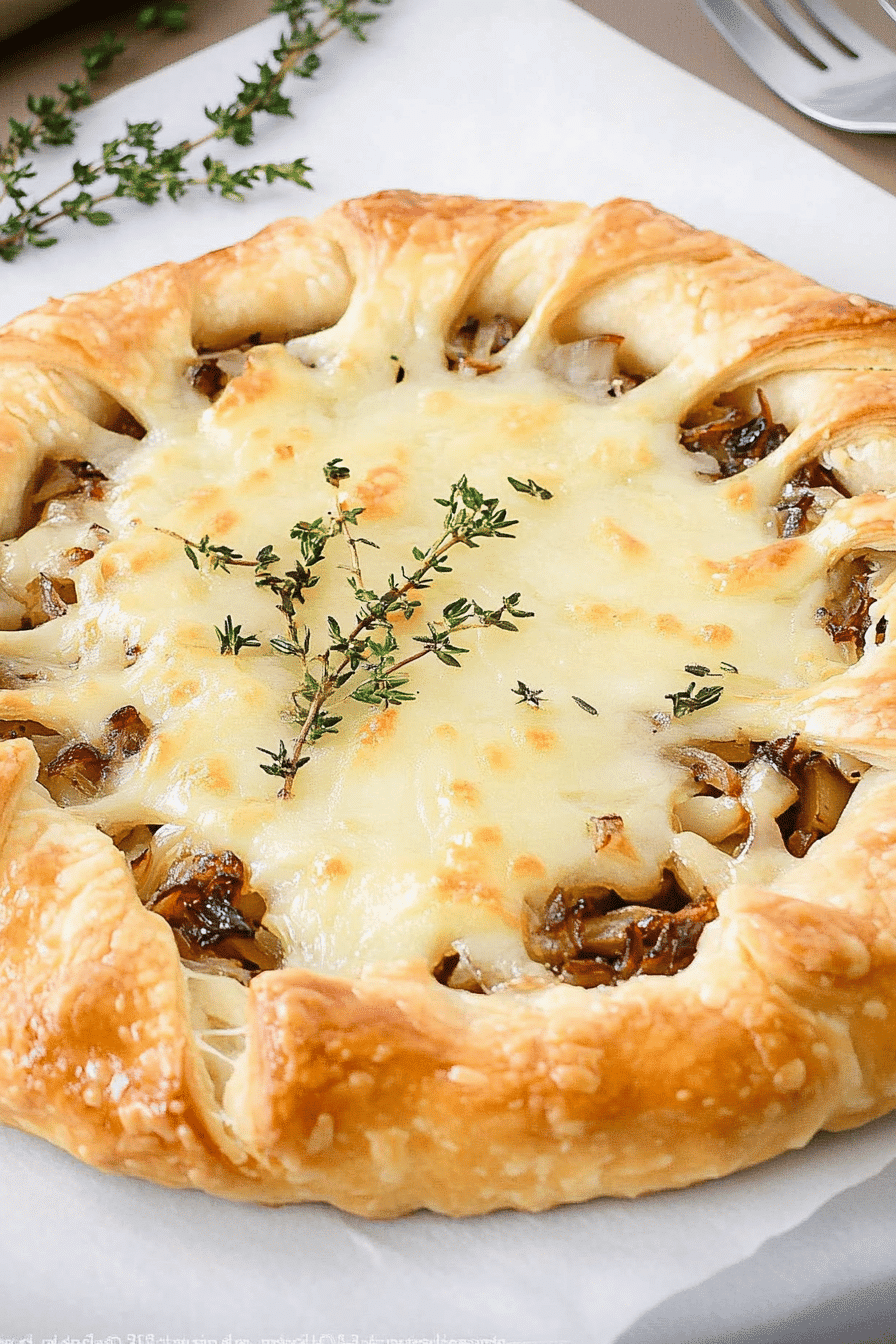
There’s something truly magical about the smell of caramelized onions slowly bubbling on the stove, mingling with a rich, savory broth, and that unmistakable toasted cheese topping bubbling and golden under the broiler. I distinctly remember the first time I made French onion soup—my kitchen smelled like a cozy Parisian bistro, and my family kept sneaking tastes before dinner even began. It’s one of those dishes that’s deceptively simple but absolutely satisfying, a kind of ultimate comfort food that’s perfect when you want something rich but not fussy. If you’re used to a simple bowl of broth or a standard vegetable soup, French onion soup takes things up a notch with its deep, caramelized flavors and that lovely melty cheese crust that feels like a warm hug at the end of a tough day. Trust me, once you try making it at home, it’s tough to go back to anything less indulgent.
What is French onion soup?
French onion soup is essentially a hearty, deeply flavored broth made by slowly caramelizing onions until they reach that perfect sweet, golden-brown color, then simmering them in a savory stock, usually beef or a mix of beef and chicken. It’s topped with slices of toasted baguette and liberally smothered in melted Gruyère or Swiss cheese, broiled to bubbly perfection. The dish’s name is pretty straightforward—“French onion” refers to those rich, golden onions at its heart, and it comes from classic French country cooking where simple, humble ingredients come together beautifully. Think of it as the grown-up cousin to your everyday onion soup but elevated with buttery caramelized flavors and that toasty, gooey cheese finish that everyone fights over at the table. It’s both rustic and elegant, perfect for weekday dinners or impressing guests without breaking a sweat.
Why you’ll love this recipe?
What I love most about French onion soup is how it manages to be both incredibly comforting and unexpectedly gourmet. The caramelized onions bring this sweet, almost nutty richness that makes every spoonful decadent but not heavy. It’s surprisingly straightforward to make as well—the longest part is patiently caramelizing the onions, but that’s really where the magic happens. You can chat on the phone or sip your favorite wine while gently stirring, and before you know it, your kitchen smells like a fancy French bistro. Plus, this soup is super budget-friendly. Onions, broth, cheese, and bread—ingredients you can almost always find in your pantry. I’ve had evenings when I whipped it up last-minute with whatever cheese and bread I had, and it still turned out fantastic.
Another reason it’s a keeper: versatility. It’s a lovely light lunch on its own, but also pairs beautifully with a simple green salad or crusty bread for dipping. If you want to make it heartier, throw in some cooked chicken or mushrooms. Or keep it classic and vegetarian by using veggie stock instead of beef broth—either way, it hits the spot. My family asks for this one constantly, especially on chilly nights when you want something cozy but not complicated. It’s also great as a starter for a dinner party—you can prepare the soup ahead, and it reheats beautifully while still retaining that luscious flavor.
How do I make French onion soup?
Quick Overview
Making French onion soup is all about patience and gentle cooking. The process starts with slowly caramelizing thinly sliced onions in butter and a splash of oil until they turn a deep amber color—the sweet aroma is what gets me every time. From there, you deglaze the pan with a bit of wine and add your broth, letting it simmer to marry the flavors. The final step is assembling the soup in ovenproof bowls, topping it with toasted baguette slices, and then piling on plenty of cheese before broiling until beautifully golden and bubbling. It’s easier than it sounds, but full of layers of flavor that make it feel really special.
Ingredients
For the Soup:
- 4 large yellow onions, thinly sliced (about 3 pounds) – yellow onions caramelize beautifully and offer a natural sweetness.
- 4 tablespoons unsalted butter – adds richness and helps achieve perfect caramelization
- 1 tablespoon olive oil – keeps butter from burning
- 2 cloves garlic, minced – for subtle warmth and depth
- 1 teaspoon sugar – helps speed up caramelization without overpowering the flavor
- 1/2 cup dry white wine or dry sherry – adds acidity and lifts the sweetness of the onions
- 8 cups beef broth (or vegetable broth for vegetarian version) – the soul of the soup, ideally a good quality or homemade broth
- 2 teaspoons fresh thyme leaves (or 1 teaspoon dried) – herbal brightness to balance richness
- 1 bay leaf – subtle earthiness
- Salt and freshly ground black pepper to taste
For the Topping:
- 1 French baguette, sliced into 1/2-inch rounds – day-old or slightly stale bread holds up best
- 2 cups grated Gruyère cheese (or Swiss) – melts superbly and adds that iconic finish
Step-by-Step Instructions
Step 1: Preheat & Prep Pan
Start by preheating your oven’s broiler (you’ll need it later). Grab a heavy-bottomed large pot or Dutch oven—this helps the onions cook evenly without burning. Melt the butter with the olive oil over medium-low heat, keeping the temperature gentle so the onions cook slowly and develop their signature sweetness.
Step 2: Sauté the Onions Slowly
Add the thinly sliced onions along with a pinch of salt and the sugar. Stir to coat them all in butter and oil. This is the slowest part, so be patient! Stir every 5 minutes or so and cook for 40-50 minutes until the onions are deeply caramelized, golden, and sweet-smelling. It’s totally worth it. Don’t rush with high heat—it’ll burn and taste bitter.
Step 3: Add Garlic & Deglaze
Once the onions are ready, stir in the minced garlic and cook another minute. Pour in the white wine or sherry, scraping up any browned bits stuck to the bottom of the pot—this adds incredible flavor depth. Let the wine reduce by half for a few minutes.
Step 4: Add Broth & Herbs
Pour in the beef broth along with the thyme and bay leaf. Bring everything to a gentle simmer. Let it cook uncovered for about 30 minutes, stirring occasionally. Taste and adjust salt and pepper. This slow simmer lets the flavors meld beautifully.
Step 5: Toast the Bread
While the soup simmers, arrange your baguette slices on a baking sheet and toast under your oven’s broiler until golden on both sides—watch closely, as it can burn fast! Toasting prevents sogginess when the bread is added to soup bowls later.
Step 6: Assemble the Bowls
Remove the bay leaf from the soup. Ladle the hot soup into oven-safe bowls, about 3/4 full. Float 2–3 toasted baguette slices on top of each bowl’s surface. Then pile a generous handful of grated Gruyère on top, making sure it covers the bread well.
Step 7: Broil the Cheese
Place bowls on a baking sheet and slide them under the broiler. Broil until the cheese melts, bubbles, and turns golden brown and slightly crispy—usually 3–5 minutes. Keep a close eye on them; you want bubbly cheese, not burnt.
Step 8: Serve Immediately
Carefully take the bowls out of the oven—the handles will be hot! Let the soup cool for a minute or two. The melted cheese will be hot and gooey, so dig in with a spoon, making sure to get a bit of soup, bread, and cheese in every bite. The contrast of textures and rich flavors are worth savoring slowly.
What to Serve It With
For Breakfast: I know, French onion soup isn’t your classic breakfast bowl, but it’s wonderful for those lazy weekend mornings when you want something savory and filling. Pair it with a simple espresso or a latte, and enjoy the slower pace. If you want to lighten it, a small side of mixed greens dressed with lemon and olive oil helps brighten the meal.
For Brunch: Present the soup in rustic soup crocks alongside a cheese and charcuterie board for a more elegant touch. A chilled glass of dry white wine or sparkling wine brings a festive vibe. My family loves adding a green salad tossed with nuts and vinaigrette for a fresh counterpart.
As Dessert: While this is a savory soup, finishing with a classic French dessert like crème brûlée or almond tart feels just right after the richness. It balances the savory with a sweet ending that’s lighter but still indulgent.
For Cozy Snacks: When watching movies or gathering around the fire, French onion soup makes a wonderful snack that feels indulgent but warm and welcoming. Serve in small cups or mugs, dust with a sprinkle of nutmeg or fresh herbs, and you’ve got a cozy, shareable treat.
In our house, this soup became the go-to for cold evenings and especially when guests come over unexpectedly. It fills the kitchen with warm, inviting scents, and everyone crowds around with their bread and wine, chatting and dipping. There’s just something about dipping that crusty, cheesy bread into savory broth that feels like a hug you can eat.
Top Tips for Perfecting Your French Onion Soup
Onion Prep: Always slice your onions thin and consistently; uneven slices lead to uneven cooking. I learned to use a mandoline after burning a few batches. Also, skip white onions—they lack the sweetness yellow onions develop, and red onions can turn the soup purple and taste sharper.
Caramelization Patience: This is the soul of the soup. Don’t rush by turning the heat too high. It’s a slow process, but stir every few minutes and scrape the bottom so nothing burns. When the onions start turning jammy and deeply golden, you’re on the right track.
Deglazing Magic: Don’t skip the wine or sherry. That step lifts the flavor expertly. If you don’t drink alcohol, a splash of balsamic vinegar or sherry vinegar works well to cut through the sweetness.
Bread Choice: Day-old baguette is ideal because fresh bread tends to get soggy quickly. Also, toast both sides for a sturdy base that holds the cheese and soup without falling apart.
Cheese Matters: Gruyère is traditional for its melting properties and nutty flavor, but Swiss or even Emmental work. Avoid cheddar or mozzarella, which don’t have the same flavor profile or melt the same.
Baking & Broiling: Always watch the soup while under the broiler—it can shift from perfect to burnt in seconds. I usually keep the oven rack about 6 inches below the broiler to avoid flare-ups.
Glaze Variations: If you want to jazz up the flavor, sprinkle a bit of smoked paprika or a pinch of cayenne on top of the cheese before broiling. Adds a surprising depth and a hint of warmth.
I’ve made this countless times and learned the hard way that patience is key—not just for caramelization but for not rushing the assembly. Every time I’ve stuck to the slow cook, it turns out golden, bubbling, and incredibly flavorful. It’s also saved me on busy nights when I prepped the onions earlier in the day and finished it up right before dinner.
Storing and Reheating Tips
Room Temperature: If you’re enjoying the soup right away, it’s best eaten immediately after broiling. You can leave it covered with foil on the counter for up to 1 hour safely, but the bread will soften.
Refrigerator Storage: Store the soup base separately from the bread and cheese. Keep it in an airtight container for up to 4 days. When ready to eat, reheat gently on the stove, then assemble the bread and cheese just before broiling.
Freezer Instructions: French onion soup freezes beautifully before topping with bread and cheese. Cool completely, then freeze in airtight containers for up to 3 months. Thaw overnight in the fridge and reheat on the stove before assembling and broiling the topping.
Glaze Timing Advice: For storing and reheating, I always add the bread and cheese fresh before broiling. It keeps the toastiness and cheesy crust fresh every time. Adding the cheese too early makes it soggy and dulls the texture.
One trick I discovered recently is to reserve some toasted breadcrumbs to sprinkle on top just before broiling. It adds a lovely crunchy texture that contrasts wonderfully with the melty cheese. Storing as just the soup base solves any sogginess issues and means you can portion it easily for quick meals later!
Frequently Asked Questions
Final Thoughts
French onion soup continues to be one of those recipes that brings me right back to cozy evenings, laughter around the table, and the smell of melting cheese hugging golden, sweet onions. It somehow manages to be simple enough for a weeknight but elegant enough to make your guests feel like you’ve been quietly honing your French cooking skills for years. I love how it brings everyone together—you don’t just eat it; you share it, savouring each cheesy, caramelized bite. If you’re ready to fall in love with classic French flavors in a way that’s accessible and deeply satisfying, this recipe is your go-to. And if you experiment with the variations, please come back and tell me how it went—I’m always excited to hear new twists! Happy cooking and bon appétit!
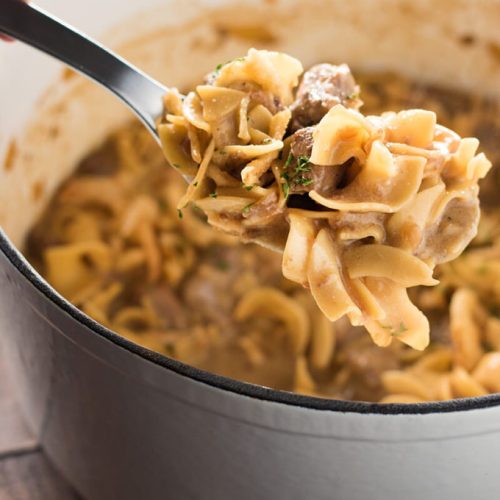
French Onion
Ingredients
Main Ingredients
- 2 Tablespoons Olive Oil
- 1 Pound Beef Stew Meat
- 1 Teaspoon Onion Powder
- 1 Teaspoon Garlic Powder
- 1 Teaspoon Salt
- 0.5 Teaspoon Pepper
- 1 Can French Onion Soup
- 2.5 Cups Beef Broth
- 2 Cups Egg Noodles
- 0.5 Cup Sour Cream
- 0.25 Cup Parmesan Cheese
- 1 Cup French Fried Onions
Instructions
Preparation Steps
- Heat the olive oil in a large pot over medium-high heat.
- Add the beef stew meat and season with the onion powder, garlic powder, salt, and pepper.
- Cook for 3 to 5 minutes until the beef is seared on all sides.
- Add the French onion soup, beef broth, and egg noodles to the pot and bring to a boil.
- You can make your own French Onion Soup or use a pre-made can for convenience.
- Boil for 7 to 10 minutes until the noodles are tender and most of the liquid is absorbed.
- Stir in the sour cream and parmesan cheese. Sprinkle with French fried onions as desired and serve immediately.