
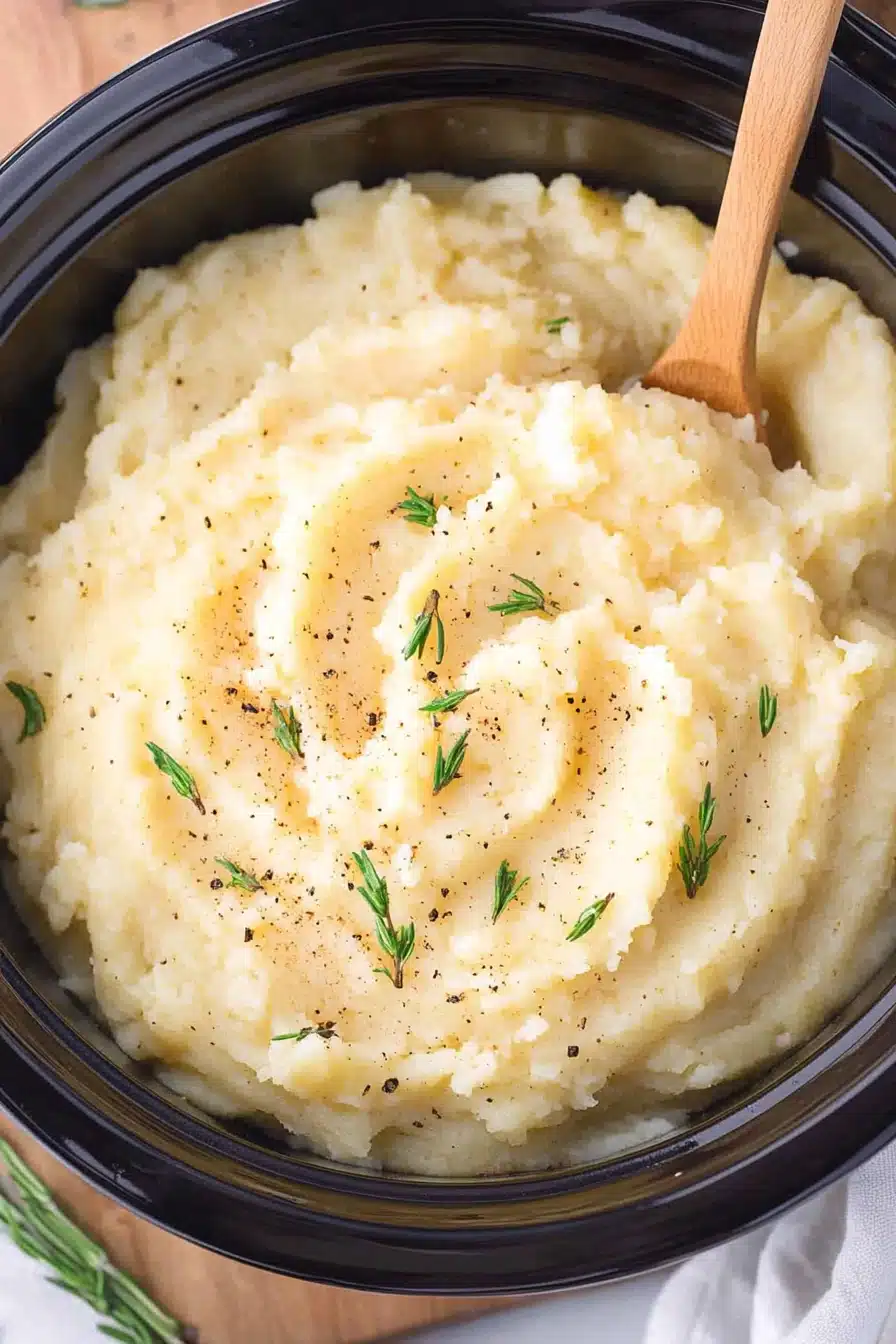
I don’t know about you, but mashed potatoes have always been my cozy go-to comfort food, especially on those chilly nights when you just want a big, warm hug on a plate. There’s something about that creamy, buttery texture and the way they soak up gravy or a drizzle of olive oil that just hits the spot every single time. Growing up, my grandma’s mashed potatoes were legendary at every family dinner — rich, silky, and so satisfying, I swear they could cure a bad day. If you’ve ever been intimidated by mashed potatoes — thinking they’re tricky or time-consuming — stick with me here. This recipe is incredibly simple but the flavor and texture? Next level. Kind of like trading in your instant mashed potatoes for homemade magic, but without the fuss. It’s the kind of dish that gets everyone asking for seconds and sneaking bites from the pot while you’re dishing it out. I just can’t resist sharing this one with you.
What is mashed potato?
Think of mashed potatoes as that unshakable sidekick you turn to whenever you want something smooth and buttery on your plate. Essentially, mashed potatoes are boiled potatoes crushed and whipped until velvety-soft, often elevated with butter, cream, or milk. The name is pretty straightforward — you literally “mash” potatoes. They trace their roots back centuries as a humble dish beloved across cultures because of their simplicity and soul-soothing qualities. What makes mashed potatoes so approachable is how incredibly versatile they are; you can keep things classic or jazz it up with garlic, herbs, cheese, or even a little kick of spice. For me, mashed potatoes are like the culinary equivalent of a warm sweater: familiar, comforting, and always reliable. Whether you’re pairing them with roast chicken, a juicy steak, or just a simple gravy, they’re the perfect homey touch to any meal.
Why you’ll love this recipe?
What I love most about this mashed potatoes recipe is how it strikes that sweet spot between rich flavor and effortless prep. First off, the flavor is creamy, buttery, and just the right side of indulgent — nothing fussy, just pure, honest goodness. I always use real butter and a splash of heavy cream (sometimes a little whole milk when I’m watching calories), and it really makes the texture just melt-in-your-mouth soft without being gluey. Plus, it has just enough salt and pepper to make the natural potato sweetness shine through.
On the practical side, this recipe couldn’t be simpler. It’s definitely not one of those fussy mashed potatoes where you have to do a dozen separate steps or magic tricks. Just boil, mash, stir in your buttery cream, and voila — dinner’s ready. It’s also surprisingly budget-friendly. Potatoes are one of those pantry staples that won’t break the bank, so you can feed a crowd without stressing your wallet.
One of my favorite things, though, is how versatile mashed potatoes are. Leftovers make phenomenal potato cakes or get transformed into creamy soups the next day. This recipe plays well with any add-ins — garlic roasted, mixed with chives, or even a spoonful of sour cream if you like tang. If you’ve ever enjoyed creamy mashed sweet potatoes or cheesy cauliflower mash, this one will hit all those comfort-food notes but with that classic potato punch. Honestly, I’ve made this countless times, and it just never fails to make me feel like I’m sitting down to a comforting family dinner, even if it’s a weeknight scramble.
How do I make mashed potatoes?
Quick Overview
Here’s the quick scoop: Peel and chop your potatoes, boil them until tender, then mash gently with butter and cream until you get that luscious, silky texture. It’s surprisingly fast — the boiling takes the longest — but once you’ve got those potatoes mashed, the whole kitchen fills with buttery goodness that will instantly lift your mood. I especially love how the potatoes fluff up when you mash them right after draining, and how the butter melts in perfectly to give that smooth consistency everyone craves.
Ingredients
What is the recipe for mashed potatoes?
- 2 pounds Yukon Gold or Russet potatoes (Yukons give a naturally buttery flavor, Russets are fluffier)
- 4 tablespoons unsalted butter (of course, the better quality, the better flavor!)
- ½ cup heavy cream or whole milk (adjust depending on your preferred creaminess)
- Salt and freshly ground black pepper to taste
- Optional: a clove of garlic for boiling if you love a subtle garlic aroma
For the Garnish (optional):
- Fresh chives, finely chopped
- Grated Parmesan or cheddar cheese
- Drizzle of extra virgin olive oil or a pat of butter
Step-by-Step Instructions
Step 1: Prep and Boil Your Potatoes
Start by peeling and cutting the potatoes into even chunks, about 2-inch pieces. Don’t skip this step — even pieces mean even cooking. Pop them in a large pot and cover with cold water. This cold-water start helps the potatoes cook evenly without getting mushy on the outside. Add a pinch of salt and that garlic clove if you’re feeling fancy. Bring the pot to a boil, then reduce to a gentle simmer for about 15-20 minutes until a fork slides easily through the chunks.
Step 2: Drain and Dry
Drain the potatoes well in a colander. Here’s a little trick I learned: Return the drained potatoes to the hot pot, place them back on the hot burner (off but warm), and let the steam evaporate any remaining moisture for a minute or two. This gets rid of excess water so your mash isn’t watery — a common trap I fell into when I was starting out.
Step 3: Melt Butter and Warm Cream
While the potatoes are draining, gently warm your cream or milk with the butter in a small pan until the butter melts completely. This step is key — adding cold liquids straight to hot potatoes can make the mash gluey and heavy. Warming everything helps it incorporate smoothly.
Step 4: Mash Gently
Using a potato masher or ricer, start mashing the potatoes right in the pot. If you like a chunkier texture, keep it light; for smooth and creamy, mash thoroughly but don’t overdo it or you’ll get gluey results. Slowly pour in your warm butter and cream mix, stirring gently but thoroughly. Add salt and pepper to taste, and give it a final fluff.
Step 5: Add Your Touches
Now’s when you can get creative. Stir in fresh herbs, a sprinkle of cheese, or a drizzle of olive oil if you like. My kids love a little extra butter and a handful of grated cheddar stirred in. It’s totally up to you.
Step 6: Serve Warm
Transfer the mashed potatoes to a warm serving dish or straight onto plates. If you’re holding them for a bit before eating, pop a pat of butter on top to keep the surface moist and glossy.
What to Serve It With
For Breakfast: Mashed potatoes aren’t just for dinner in my house — I love serving them alongside crispy bacon and fried eggs, with hot coffee on the side. A sprinkle of green onions or a few grinds of black pepper finishes it off perfectly for a cozy morning.
For Brunch: Try mashed potatoes dolloped next to a baked frittata or an elegant smoked salmon platter. They pair beautifully with champagne or a light white wine if you’re hosting friends. I always set the table with fresh herbs and a lemony salad to balance out the richness.
As Dinner: Of course, mashed potatoes are classic with roast chicken, pot roast, or a juicy steak. They soak up all the pan juices and gravy, making every bite feel like a tiny celebration. My family’s favorite way is layered with garlic green beans and a hearty mushroom gravy. It’s been our Thanksgiving staple for years.
For Cozy Snacks: Leftovers heated up with a knob of butter and a sprinkle of cheese make the ultimate comfort snack. If you ever find yourself craving something hearty late at night, these mashed potatoes will hit every spot without being a full meal.
Top Tips for Perfecting Your Mashed Potatoes
Potato Choice: Yukon Golds give you that creamy, buttery flavor without needing much butter, but Russets are your best bet if you want fluffy texture. Combining the two can be a game changer.
Don’t Overcook: Boil just until fork-tender. Overcooking turns potatoes waterlogged and mushy, which makes for gluey mashed potatoes.
Dry Well: That little steam-drying trick after draining your potatoes is a lifesaver. It prevents watery mash and keeps your texture light.
Warm Liquids: Don’t add cold milk or cream straight to hot potatoes — always warm them slightly with butter. This helps everything mix gently and keeps the texture silky.
Mashing Technique: Use a masher or potato ricer. I avoid electric mixers — they’re too aggressive and can turn your mash gluey and sticky.
Salt Generously: Potatoes are like sponges for salt. Be generous (but not over the top) to bring out their natural flavor. Taste as you go.
Customizations: Want to mix things up? Try stirring in roasted garlic, fresh herbs like thyme or rosemary, or even a spoonful of sour cream or cream cheese. I tested dairy alternatives like almond milk, and while it wasn’t as rich, it did keep things creamy for a lighter twist.
Keep Warm: If you’re not serving right away, cover the potatoes tightly with foil and place over a pot of simmering water or keep in a warm oven (around 200°F) to maintain texture and temperature without drying out.
Trust me, after years of trial and error, these simple tweaks have totally changed my mashed potato game. You’ll find yourself craving this classic side more than you thought possible.
Storing and Reheating Tips
Room Temperature: Mashed potatoes are best enjoyed fresh, but if you’re leaving them out for a family dinner, cover them tightly and consume within 2 hours to keep them safe and moist.
Refrigerator Storage: Pop leftovers in an airtight container and keep in the fridge for up to 3-4 days. Before refrigerating, let them cool to room temperature, then seal tightly to avoid drying out.
Freezer Instructions: Mashed potatoes freeze surprisingly well! Spoon them into freezer-safe containers or heavy-duty freezer bags, removing as much air as possible. Freeze for up to 2 months. Thaw overnight in the fridge, then reheat gently on the stove or microwave, adding a splash of milk or cream to freshen the texture.
Glaze Timing Advice: If you like a buttery or cheesy glaze on top, it’s best to wait until just before serving. Adding it prior to storing can sometimes cause dryness or separation during reheating. For leftovers, add a fresh sprinkle of cheese or melted butter right before warming, and stir lightly to keep that luscious finish.
Frequently Asked Questions
Final Thoughts
I can’t tell you how many times I’ve turned to this mashed potato recipe when I needed something straightforward but totally satisfying. It’s the kind of dish that’s simultaneously nostalgic and endlessly comforting — like a warm hug from the inside out. What makes it special is how forgiving and adaptable it is; you can dress it up or keep it simple, serve it any time of day, and it always feels like a little bit of home. If you’re a fan of creamy, smooth sides that round out a meal, give this recipe a go and see how it becomes your new staple. Don’t forget to leave a comment or share your own twists — I love hearing how families make this dish their own. Happy mashing and even happier eating!
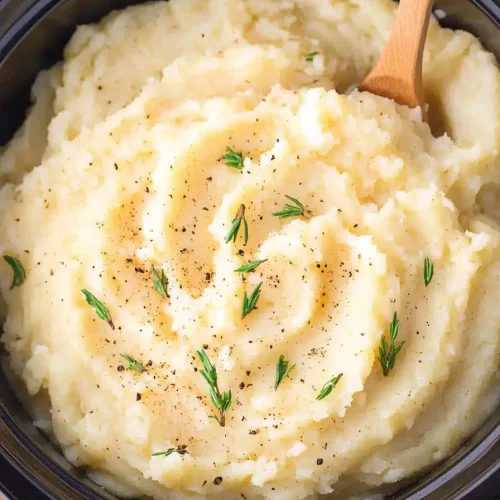
Slow Cooker Garlic Mashed Potatoes
Ingredients
Main Ingredients
- 5 pounds red potatoes washed and chopped into two-inch pieces
- 4 tablespoons butter roughly chopped
- 3 cloves garlic peeled and smashed
- 0.5 tablespoons salt or to taste
- 0.25 teaspoons black pepper freshly ground
- 1 cup chicken broth or water
- 1.5 cups sour cream
Instructions
Preparation Steps
- Place the red potatoes, butter, garlic, salt, black pepper, and chicken broth or water into the slow cooker.
- Cover with the lid and cook on high for 4 hours or on low for 6 to 7 hours until the potatoes are tender.
- Remove the lid, add sour cream, and mash the potatoes with a potato masher until creamy and smooth.
- Taste and adjust the seasoning with salt and pepper as needed, then serve warm.