
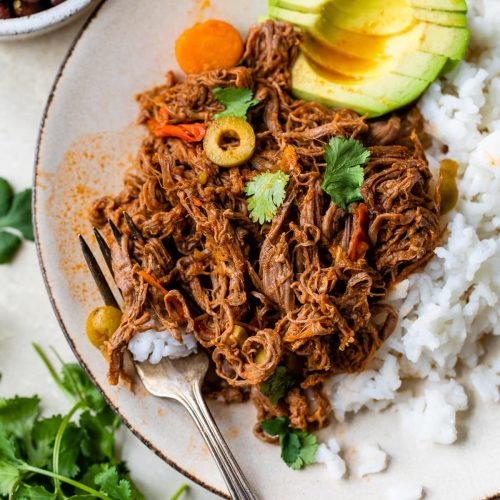
Oh, where do I even begin with Dominican Ropa Vieja? For me, this dish is more than just food; it’s a warm hug from my childhood, a culinary anchor that grounds me no matter where life takes me. I remember my Abuela making this on Sundays, the aroma of slow-cooked beef and spices filling our entire house. It’s that kind of comforting, deeply flavorful dish that makes you want to gather everyone around the table. If you’ve ever had a really good slow-cooked shredded beef stew, you might think you know what to expect, but this Dominican Ropa Vieja? It’s got its own magic, a vibrant zest that sets it apart. It’s the kind of meal that feels fancy enough for guests but is surprisingly easy for a weeknight when you’re craving something truly satisfying. This one’s a lifesaver on busy nights, and believe me, my kids ask for this all the time!
What is Dominican Ropa Vieja?
So, what exactly is Dominican Ropa Vieja? The name itself, “ropa vieja,” literally means “old clothes” in Spanish. It sounds a little strange, I know, but the story goes that the shredded texture of the beef resembles tattered clothing. Don’t let the name fool you, though; this is one of the most delicious and elegant dishes you can whip up! At its heart, it’s a flavorful shredded beef stew, slow-cooked until impossibly tender and then simmered in a rich, tomato-based sauce packed with onions, peppers, and a medley of aromatic spices. Think of it as the most soul-satisfying, flavor-packed beef you’ve ever had, but way more exciting than your average pot roast. It’s essentially comfort food elevated, a celebration of simple ingredients coming together to create something truly spectacular.
Why you’ll love this recipe?
Honestly, there are so many reasons why this Dominican Ropa Vieja recipe has become a staple in my kitchen and why I think you’re going to adore it too. First off, the flavor is just out of this world. That slow-cooked beef, infused with sofrito, olives, and capers, creates this deep, savory, slightly tangy, and absolutely irresistible taste. It’s complex without being complicated. Then there’s the simplicity of it all. While it takes a little time for the beef to get super tender, the actual hands-on work is minimal. You can honestly set it and forget it, letting it simmer away and fill your home with an incredible aroma. And let’s talk budget-friendliness! Flank steak or similar cuts are usually quite affordable, and the other ingredients are pantry staples. It’s a fantastic way to make a hearty, impressive meal without breaking the bank. What I love most about this recipe is its incredible versatility. You can serve it over white rice, stuff it into peppers, use it as a filling for empanadas, or even just eat it straight from the bowl with a fork – it’s that good. It’s a dish that feels both familiar and exciting, a true taste of the Caribbean that brings people together.
How do I make Dominican Ropa Vieja?
Quick Overview
The process is beautifully straightforward. We start by braising a flavorful cut of beef until it’s fall-apart tender. Then, we shred the beef and let it simmer in a vibrant, seasoned tomato sauce with plenty of aromatics like onions, bell peppers, and garlic. The key is allowing those flavors to meld and deepen. It’s the kind of recipe where the anticipation builds with every simmer, and the payoff is immense. Don’t worry if you’re not a seasoned chef; this method is designed to be forgiving and yield fantastic results every time. It’s proof that delicious, authentic cooking doesn’t need to be intimidating.
Ingredients
For the Beef:
2-3 lbs flank steak or chuck roast (Flank steak gives a great texture when shredded, but chuck roast is also wonderfully for
1 tablespoon olive oil
1 large onion, quartered
4-5 cloves garlic, smashed
1 bay leaf
1 teaspoon dried oregano
Salt and freshly ground black pepper to taste
Water or beef broth, enough to cover the meat
For the Sauce & Veggies:
2 tablespoons olive oil
1 large onion, thinly sliced
1 large green bell pepper, thinly sliced
1 red bell pepper, thinly sliced (for color and sweetness!)
4-5 cloves garlic, minced (yes, more garlic, because why not?)
1 (8 ounce) can tomato sauce
1/2 cup dry white wine or extra beef broth (optional, but adds depth)
1 teaspoon ground cumin
1 teaspoon smoked paprika
1/4 teaspoon dried oregano
1/4 cup pimento-stuffed green olives, sliced (these are non-negotiable for me!)
2 tablespoons capers, drained
1-2 tablespoons chopped fresh cilantro, for garnish (optional but lovely)
Step-by-Step Instructions
Step 1: Braise the Beef
First things first, let’s get that beef tender. Pat your flank steak or chuck roast dry with paper towels – this helps it brown nicely. Heat 1 tablespoon of olive oil in a large Dutch oven or heavy-bottomed pot over medium-high heat. Sear the beef on all sides until beautifully browned. This step is crucial for developing deep flavor! Once browned, add the quartered onion, smashed garlic cloves, bay leaf, and dried oregano. Season generously with salt and pepper. Pour in enough water or beef broth to come about two-thirds of the way up the meat. Bring to a simmer, then reduce the heat to low, cover tightly, and let it braise for about 2.5 to 3 hours, or until the beef is incredibly tender and easily shreds with a fork. You can also do this in a slow cooker on low for 6-8 hours.
Step 2: Shred the Beef
Once the beef is tender, carefully remove it from the pot and place it on a cutting board. Reserve the cooking liquid – it’s packed with flavor! Using two forks, shred the beef into bite-sized pieces. Don’t worry about making it perfect; the rustic shred is part of the charm of Ropa Vieja.
Step 3: Prepare the Sofrito Base
While the beef is cooling slightly, start on the sauce. In the same Dutch oven (or a clean skillet if you prefer), heat 2 tablespoons of olive oil over medium heat. Add the thinly sliced onion and bell peppers. Cook, stirring occasionally, until they’re softened and the onions are translucent, about 5-7 minutes. You want them tender but not mushy. Stir in the minced garlic and cook for another minute until fragrant – be careful not to burn it!
Step 4: Build the Sauce
Pour in the tomato sauce and the white wine or extra broth (if using). Stir in the cumin, smoked paprika, and dried oregano. Let this simmer for about 5 minutes, allowing the flavors to meld. Taste and adjust seasoning with salt and pepper if needed. Remember, the olives and capers will add more saltiness later.
Step 5: Combine and Simmer
Add the shredded beef back into the pot with the vegetable and tomato mixture. Stir in the sliced olives and capers. Pour in about 1 to 1.5 cups of the reserved beef cooking liquid – just enough to create a luscious sauce that coats the beef. Bring everything to a gentle simmer, then reduce the heat to low, cover, and let it cook for at least another 20-30 minutes. This is where the magic happens, as the beef absorbs all those wonderful flavors. If the sauce seems too thick, add a little more reserved cooking liquid. If it’s too thin, you can uncover it and let it simmer gently for a bit longer to reduce.
Step 6: Finish and Garnish
Once the Ropa Vieja has simmered and the flavors have married beautifully, give it a final taste and adjust seasoning one last time. Stir in most of the chopped fresh cilantro, reserving some for garnish. Serve hot!
Step 7: Serve
Ladle the delicious Dominican Ropa Vieja over fluffy white rice. Garnish with the remaining fresh cilantro. It’s also wonderful served with tostones (twice-fried plantains) or a simple side salad. Enjoy!
What to Serve It With
This Dominican Ropa Vieja is so incredibly versatile, it fits into almost any meal or occasion! For a classic breakfast that feels like a weekend treat, I love serving a small portion over some perfectly cooked white rice with a fried egg on top. The runny yolk makes its own delicious sauce. For a more leisurely brunch, it’s fantastic alongside some crispy tostones or maduros (sweet fried plantains). You could even serve it with a side of avocado salad. As a hearty dessert course, though less traditional, a smaller, richer portion can be surprisingly satisfying after a lighter meal, especially if you pair it with a little side of sweet plantains to balance the savory notes. But for those cozy snack moments, or when you just need a serious comfort food fix, this is perfect on its own, or maybe with some warm crusty bread for dipping into that amazing sauce. My family also loves it stuffed into baked bell peppers for a complete meal, or even used as a filling for empanadas!
Top Tips for Perfecting Your Dominican Ropa Vieja
I’ve made this dish more times than I can count, and over the years, I’ve picked up a few little tricks that really elevate it. When it comes to the beef, don’t skimp on the searing! That browning process is where so much flavor is built. If your pot isn’t big enough to get a good sear without crowding the meat, do it in batches. Trust me on this one. For the vegetables, I like to slice the onions and peppers thinly so they soften beautifully into the sauce. If you’re short on time, you can sometimes find pre-sliced mirepoix mixes, but I find the fresh, thinly sliced onions and peppers really make a difference in texture and flavor. Don’t be afraid to add more garlic; it’s a key flavor component here! When building the sauce, I always taste and adjust the seasoning at multiple points. The olives and capers add saltiness, so it’s important to season gradually. If you’re a big fan of olives, you can even add a few extra. I’ve also found that using a good quality tomato sauce makes a noticeable difference in the richness of the final dish. Some people like to add a splash of vinegar or a pinch of sugar to the sauce, depending on their preference, but I find the olives and capers provide enough tang and complexity for my taste. Lastly, the simmering time is your friend. The longer the shredded beef simmers in that flavorful sauce, the more tender and delicious it becomes. So, don’t rush that last step!
Storing and Reheating Tips
One of the best things about Dominican Ropa Vieja is how well it stores and reheats. It often tastes even better the next day as the flavors have more time to meld! For storing at room temperature, I usually don’t recommend leaving it out for more than two hours, as it contains meat and tomato products. Once cooled, store it in an airtight container in the refrigerator. It should stay fresh and delicious for up to 3-4 days. When you’re ready to reheat, you can do so gently on the stovetop over low heat, adding a splash of water or broth if it seems a little dry. Alternatively, you can reheat individual portions in the microwave. For longer storage, this dish freezes beautifully. Let it cool completely, then transfer it to a freezer-safe container or heavy-duty zip-top bag. It can be stored in the freezer for up to 2-3 months. When you’re ready to enjoy it, thaw it overnight in the refrigerator and then reheat as you would the refrigerated leftovers. I find that reheating on the stovetop is usually best for texture and flavor, as it allows you to control the moisture and bring back that delicious simmered quality.
Frequently Asked Questions
Final Thoughts
There you have it – my heartfelt rendition of Dominican Ropa Vieja. It’s a dish that’s close to my heart, full of the kind of flavors that make you feel truly nourished and deeply satisfied. What I love most is that it’s proof that you don’t need complicated techniques or exotic ingredients to create something extraordinary. It’s about patience, good quality ingredients, and a whole lot of love. I really hope you give this a try and that it becomes a cherished recipe in your home, just like it is in mine. If you love hearty, flavorful beef dishes, you might also want to explore my recipe for Slow Cooker Barbacoa or my classic Beef Stew – they share that same comforting essence. I can’t wait to hear how yours turns out, so please leave a comment below and share your experience! Happy cooking!
Dominican Ropa Vieja
Ingredients
Main Ingredients
- 2 pounds flank steak cut into large pieces
- 2 teaspoons kosher salt
- 1.5 teaspoons Sazon seasoning or 1 packet Goya or Badia Sazon con culantro & achiote
- 1 teaspoon dried oregano
- 1 teaspoon garlic powder
- 1.5 teaspoons ground cumin
- 0.25 teaspoon black pepper
- 0.5 cup tomato paste from 1 can
- 0.33 cup dry white wine or use more chicken broth
- 2.5 cups chicken broth
- 1 teaspoon olive oil
- 1 large yellow or white onion sliced, not sweet
- 0.5 large green bell pepper sliced thin
- 0.5 large red bell pepper sliced thin
- 4 cloves garlic cut into quarters
- 1 large carrot cut into 1 inch pieces
- 0.5 cup green pitted olives sliced
- 2 large bay leaves
- 3 tablespoons cilantro chopped, optional
Instructions
Preparation Steps
- Season the beef with salt, sazon, cumin, dried oregano, garlic powder, and black pepper.
- In a medium bowl, whisk together tomato paste, white wine, and chicken broth.
- Press sauté on the instant pot and add olive oil, onions, bell peppers, and garlic. Sauté 3 to 4 minutes until softened, then press cancel.
- Nestle the meat into the onions so that half are on the bottom and half are above the meat. Add the carrots, olives, and bay leaves. Add cilantro if using.
- Pour the tomato sauce mixture over the meat, cover, and close the pressure cooker.
- Set to sealing and cook on high pressure for 45 minutes. Then unplug the instant pot and let it naturally release pressure.
- Shred the beef in the pot and discard the bay leaves.
- Serve with rice, over bowls, tacos, or as desired. Top with additional cilantro if preferred.