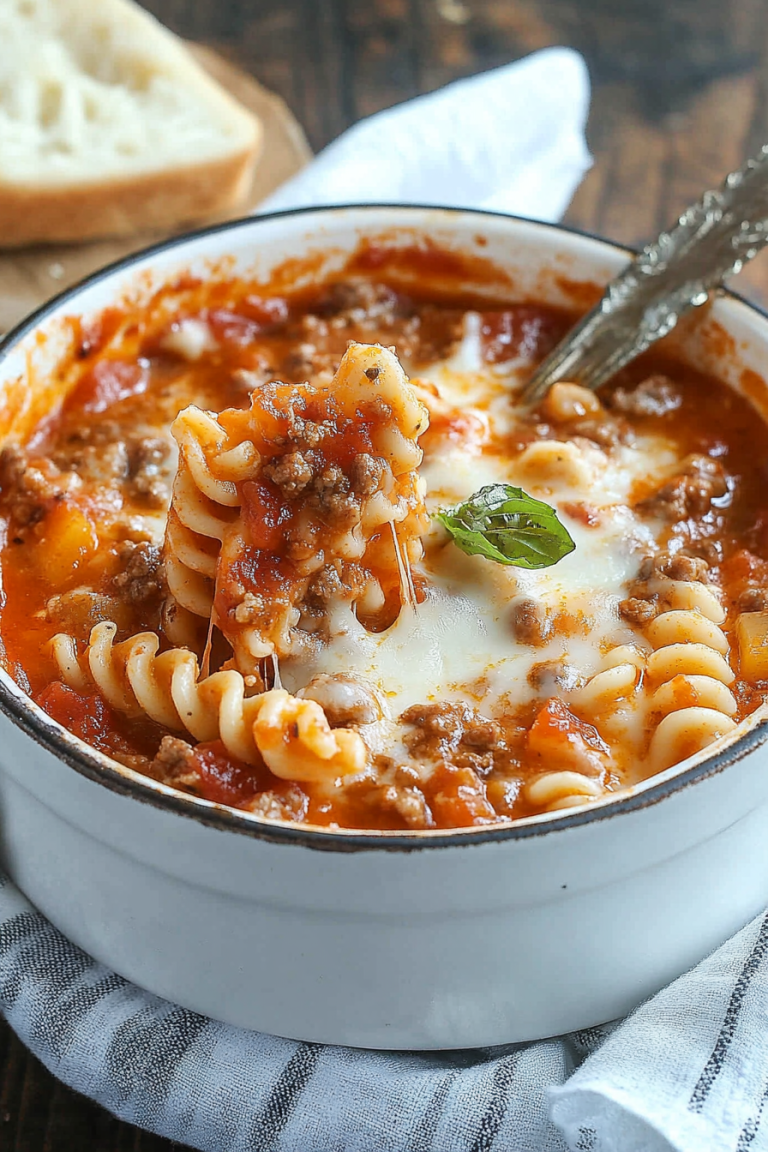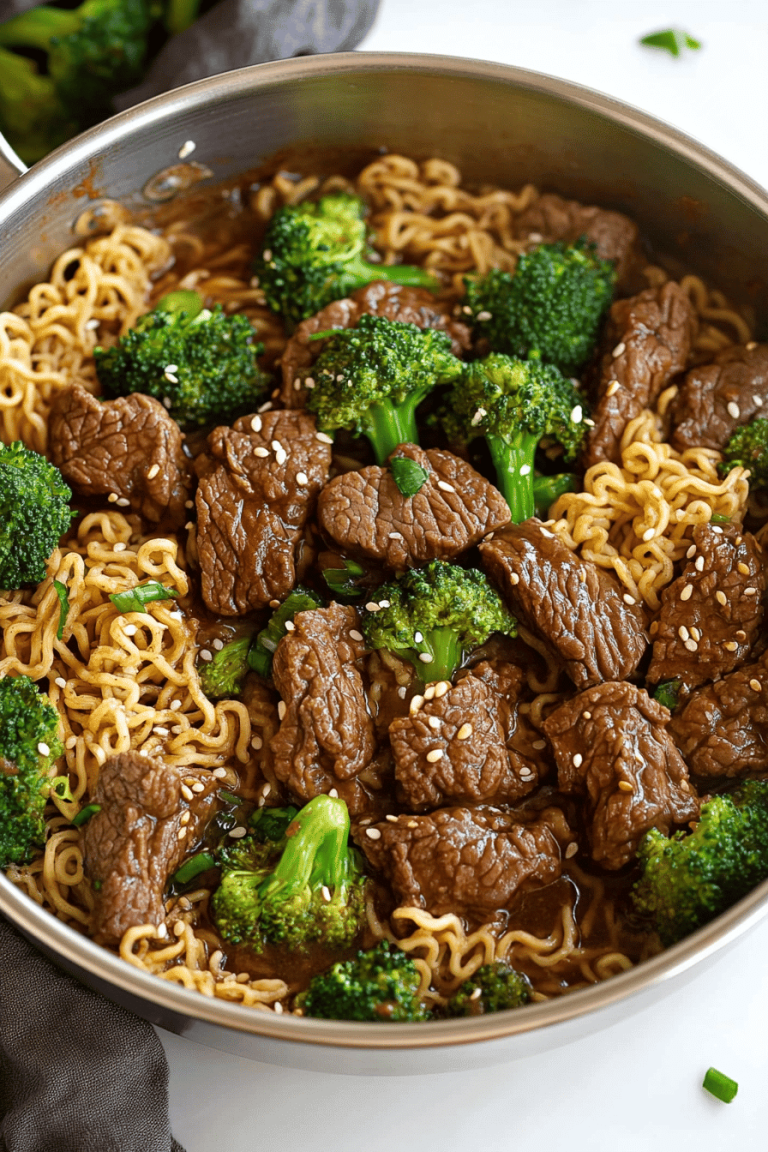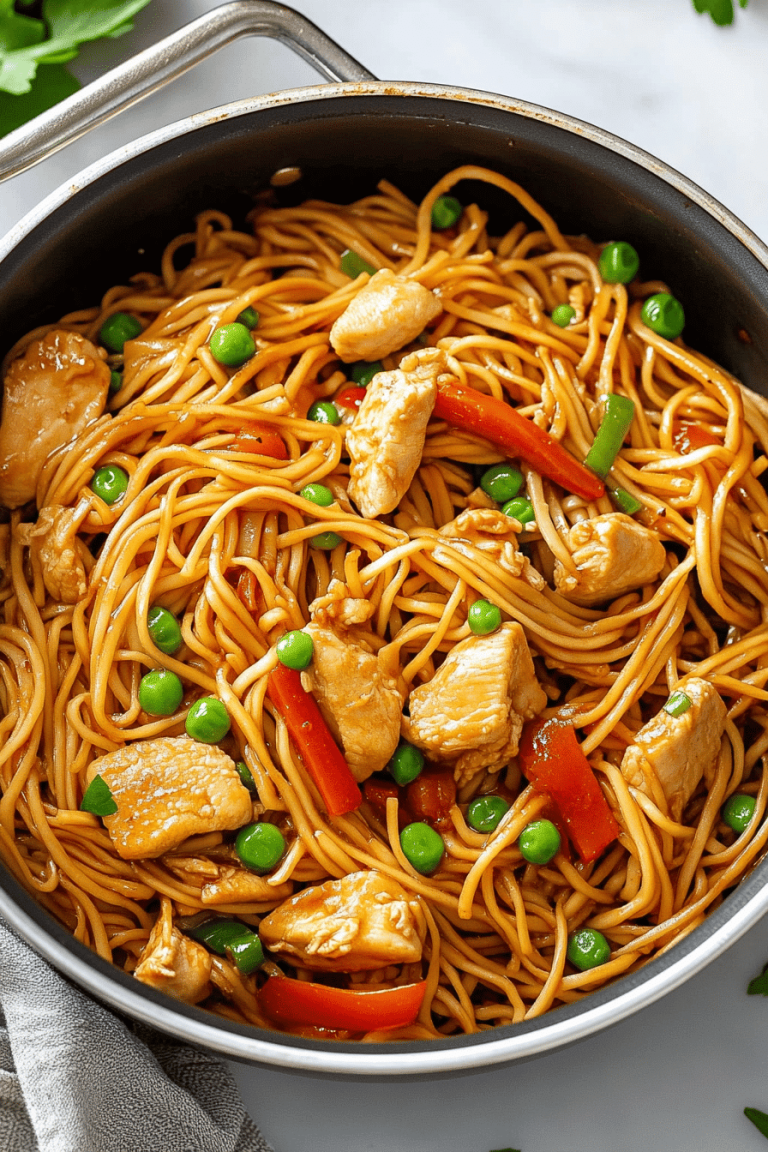


There’s something so comforting about a pot of chicken stew simmering on the stove—maybe it’s the way the rich aroma curls around the house, or how each spoonful feels like a warm embrace after a long day. I remember my grandma making this on chilly Sundays when the wind was howling outside. It wasn’t just food; it was a ritual, a slow moment where everything else paused. If you’ve ever loved a classic chicken soup, get ready for something a step up—the kind of meal that fills your belly and soul equally. This chicken stew is my go-to when I want something foolproof yet packed with layers of flavor. It’s family-friendly, surprisingly simple, and I swear it’s got a little magic because it disappears in minutes every time I make it.
What is chicken stew?
Think of chicken stew as a cozy, savory hug in a bowl—it’s essentially a hearty dish where tender chicken pieces simmer low and slow alongside vibrant vegetables and herbs in a flavorful broth. The name “stew” hints at the cooking method: ingredients gently cooked over time in liquid until everything melds into one rich, satisfying dish. It’s like chicken soup’s heartier sibling, perfect for days when you want more bite and texture, with chunks of chicken and veggies you can really dig into. It’s the kind of meal that’s simple at its core but flexible enough for any home cook to make their own. Whether you call it stew or thick soup, it’s pure comfort food bliss that always hits the spot.
Why you’ll love this recipe?
What I love most about this chicken stew is how it balances flavor and ease without skimping on either. The chicken gets wonderfully tender, soaking up all those cozy herbs and spices that come together beautifully—think thyme, bay leaves, and a hint of garlic that never overwhelms but perfectly complements. It’s not a fuss-heavy dish, which means you can stir it up on a busy weekday but still impress your family with homemade goodness. Plus, it doesn’t require any exotic or expensive ingredients—just simple staples, making it budget-friendly without sacrificing taste. The versatility is another bonus; you can swap out veggies depending on what’s in season or lurking in your fridge, and it still turns out fantastic every time. If you like dishes like beef stew but want something a little lighter, this version will totally win you over. Honestly, I’ve made this countless times and every time it warms up both my kitchen and my heart.
How do I make chicken stew?
Quick Overview
Making chicken stew might sound like a big project, but honestly, it’s one of those recipes where the magic happens mostly in the simmering. You brown your chicken, sauté your veggies, add broth and seasonings, then let it all get cozy on the stove for a good long while. That slow simmer is what creates those rich flavors and tender chicken you dream about. The beauty of this method is you can do a lot while it’s cooking—the house starts smelling incredible in no time, and when it’s ready, you’ve got a pot full of pure comfort. The end result is a thickened broth that clings to every bite of chicken and vegetables, making this stew feel like a real meal instead of just a soup.
Ingredients
For the Chicken Stew:
- 1.5 pounds bone-in, skin-on chicken thighs (these stay juicy and flavorful; if you prefer breast meat, go for it but watch cooking time)
- 2 tablespoons olive oil or butter
- 1 large onion, diced (sweet and soft, it builds the stew’s base)
- 3 cloves garlic, minced (because who can say no to garlic?)
- 3 medium carrots, sliced (adds a gentle sweetness)
- 2 celery stalks, sliced (the unsung hero of endless soups and stews)
- 2 medium potatoes, peeled and cubed (for that lovely hearty chunkiness)
- 1 cup peas (fresh or frozen, stirred in toward the end)
- 4 cups chicken broth (homemade if you have it—trust me, it makes a noticeable difference)
- 1 teaspoon dried thyme (or fresh if you have it; it brightens the whole pot)
- 2 bay leaves (don’t forget to fish these out before serving!)
- Salt and freshly ground pepper, to taste
- Optional: splash of white wine or lemon juice for a bit of brightness
Step-by-Step Instructions
Step 1: Preheat & Prep Pan
Start by heating your biggest, heavy-bottomed pot over medium heat—cast iron or a sturdy soup pot work best. Add olive oil or butter and let it warm until it’s shimmering but not smoking. This pan warmth will help your chicken get that golden crust. I always do this because it locks in the juices and adds layers of flavor right from the start.
Step 2: Brown the Chicken
Season your chicken thighs with salt and pepper, then place them in the hot oil skin-side down. Don’t crowd the pan—all the poultry should have space to crisp up. After 5-6 minutes, flip and brown the other side briefly before removing them to a plate. Don’t worry if they’re not cooked through here; the stew will finish the job.
Step 3: Sauté Vegetables
Into the same pot, toss your onions, carrots, and celery. You want to soften these gently; it usually takes about 5-7 minutes over medium heat. This step builds your flavor base and lets the natural sweetness start to shine. Add the garlic for the last minute—don’t let it burn or all that yumminess will turn bitter.
Step 4: Deglaze and Build Broth
If you’re adding a splash of white wine, pour it in now, scraping up any browned bits stuck to the bottom of the pot. Then pour in your chicken broth, add thyme and bay leaves, and give everything a gentle stir.
Step 5: Return Chicken and Simmer
Nestle the chicken thighs back into the pot with their skin side facing up. Add the potatoes around them. Once everything’s in, turn the heat down to low and cover. Let this simmer gently for about 35-40 minutes. The smell here? It’s pure magic, trust me.
Step 6: Finish with Peas and Season
In the last 5 minutes of cooking, stir in your peas. Adjust salt and pepper, remove bay leaves, and if it feels like it needs a little zing, a squeeze of lemon juice brightens the whole pot perfectly.
Step 7: Serve Warm
This stew is best served hot with some crusty bread or over buttery mashed potatoes. It’s the kind of dish where the leftovers (if there are any) taste just as good—if not better—the next day.
What to Serve It With
For Breakfast: Chicken stew might sound like a dinner thing, but I’ve surprised my family by warming leftovers and serving it over a bed of soft scrambled eggs with a sprinkle of fresh herbs. Pair it with your morning coffee or chai for a cozy, unexpected start.
For Brunch: Go for elegance by ladling the stew into shallow bowls alongside a fresh green salad with a tangy vinaigrette and a glass of crisp white wine or sparkling water with lemon. The stew’s warmth balances beautifully against lighter sides.
As Dinner: It’s a hearty, standalone meal but adding warm, buttered crusty bread makes it extra special. Mashed potatoes or creamy polenta work wonders soaking up the stew’s luscious broth. For busy nights, I sometimes toss in fresh greens for extra color and nutrition.
For Cozy Snacks: This stew is a lifesaver when you want something substantial yet comforting. A small bowl by the fireplace, paired with roasted root vegetables or a handful of crackers, makes for a perfect snack that fills your heart and belly.
Over the years, my family’s favorite play was just classic presentation—big bowls, fresh parsley scattered on top, and lots of ‘pass the bread’ moments. It’s the kind of meal that brings everyone to the kitchen table without fuss.
Top Tips for Perfecting Your Chicken Stew
Chicken Choice: I always recommend bone-in thighs; they stay juicy and the bones help build flavor. If you go for breasts, watch the cooking time carefully so they don’t dry out. Sometimes, I even use a mix for variety.
Vegetable Prep: Cut your veggies into even pieces so everything cooks at the same pace. For potatoes, avoid waxy types—they can get mushy. Russets or Yukon golds are my go-tos. Oh, and don’t skip peeling the carrots unless you love earthy bits; it really smooths out the texture.
Don’t Rush the Sear: That golden crust on your chicken adds so much depth. It’s tempting to rush but trust me, it’s worth the 10 extra minutes. If skin sticks, loosen it gently with a spatula; burning bits will spoil the flavor.
Browning Bits Are Gold: When you toss in broth, scraping the pan to lift those fond bits is where tons of flavor hides. This little trick made a noticeable difference when I learned it.
Swirling in Greens: Peas, spinach, or kale—adding greens toward the end keeps them vibrant and fresh. I learned the hard way that overcooking them turns everything dull and mushy.
Seasoning As You Go: Taste frequently. Season little by little to let flavors build naturally. I always add some salt mid-simmer then adjust again just before serving.
Extra Touches: A dash of smoked paprika or a sprig of rosemary mixed in can take this stew from good to utterly crave-worthy. Don’t be afraid to experiment, but keep it balanced so the chicken shines.
Storing and Reheating Tips
Room Temperature: This stew loves slow-cooked flavor, but once cooled, it should not sit out more than 2 hours. Cover it loosely while still warm to maintain moisture but avoid condensation buildup.
Refrigerator Storage: Store in an airtight container for 3-4 days. The flavors actually deepen after a day so leftovers are kind of a treasure. Reheat gently on the stove or in the microwave, stirring often so it heats evenly.
Freezer Instructions: This is perfect for freezing! Pack it into freezer-safe containers or heavy-duty bags. It keeps for up to 3 months. Thaw overnight in the fridge and reheat on the stove with a splash of broth to refresh the consistency.
Glaze Timing Advice: This isn’t a glazed dish, but if you want to add a finishing touch like a dollop of sour cream or a swirl of pesto, add that just before serving, not before storing. It gives your bowl a fresh, personalized flair.
Frequently Asked Questions
Final Thoughts
Chicken stew has been a steadfast friend on many of my busiest and coziest days—it’s one of those dishes that feels like it was made just for the moments you want home and heart on one plate. The tender chicken, the soft yet vibrant veggies, and that silky broth all come together like a warm story told through food. I encourage you to take this recipe and make it your own—maybe add your favorite spices or swap veggies based on what’s in season. And hey, let me know how yours turns out—I honestly can’t wait to hear about your versions! If you’re into this, check out my other family recipes for comfort food inspiration. Happy cooking, and here’s to many cozy meals ahead!
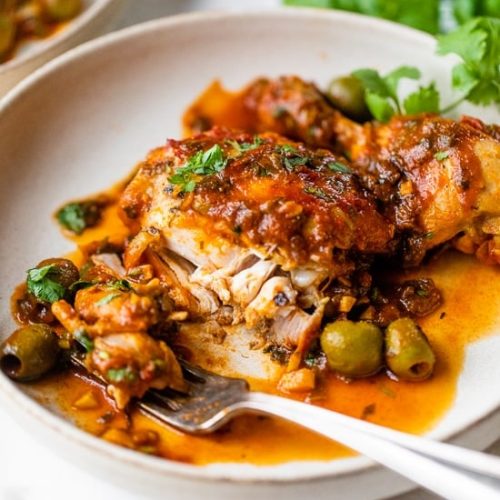
Chicken Stew
Ingredients
Main Ingredients
- 14 oz skinless chicken drumsticks on the bone
- 20 oz skinless chicken thighs on the bone, trimmed
- 0.5 tsp adobo seasoning salt
- 1 tbsp olive oil
- 4 medium scallions chopped
- 3 cloves garlic minced
- 0.25 cup cilantro chopped, plus 2 tbsp for garnish
- 8 oz tomato sauce canned
- 1 packet sazon seasoning optional
- 0.25 cup pitted green olives plus 2 tablespoons brine
- 1 tbsp Chicken Better Than Bouillon or 1 cube
- 0.5 tsp cumin
- 2 leaves bay leaves
Instructions
Preparation Steps
- Season chicken with adobo seasoning salt.
- In a large deep skillet or Dutch oven over medium heat, sauté the scallions in olive oil until soft, 2 to 3 minutes.
- Add the garlic and 1/4 cup cilantro, cook until soft and fragrant, about 1 to 2 minutes.
- Nestle the chicken in the pot and brown for 5 minutes, turning halfway through.
- Add tomato sauce, sazon seasoning if using, 1 cup water, olives, olive brine, bouillon, and cumin, then stir. Add bay leaves and bring to a boil.
- Cover and cook over medium-low heat for 50 minutes until chicken is tender.
- Uncover the pot, increase heat to high and cook for another 5 to 10 minutes to thicken the sauce.
- Remove bay leaves, adjust salt if needed, and stir in the remaining 2 tablespoons cilantro.