

There’s something truly magical about the way eggplant and tomatoes come together in a hot skillet, filling the kitchen with that warm, comforting aroma that feels like home. I remember the first time I made eggplant tomato sauce—it was a rainy afternoon, and the smell alone was like a gentle hug after a long day. This sauce is my go-to when I want something deeply flavorful but fuss-free, especially on busy weeknights when I’m juggling everything and still want to feel like I’m treating myself. It’s like a rustic, Italian cousin to marinara but with an earthy twist that only eggplant can bring. Trust me, this eggplant tomato sauce will win you over faster than you can say “dinner’s ready.” Whether spooned over pasta, dolloped on warm bread, or stirred into grains, it’s that comforting mix of savory, fresh, and soulful that keeps me coming back.
What is Eggplant Tomato Sauce?
Think of eggplant tomato sauce as a joyful marriage between two kitchen staples: silky, tender eggplant and bright, tangy tomato sauce. It’s essentially a savory vegetable stew transformed into a versatile sauce, rich with fresh garlic, herbs, and sometimes a touch of onion. The name spells it out—eggplant and tomato star here—but it’s really more than the sum of its parts. It’s a humble, heartwarming dish that’s gone through countless family tables across the Mediterranean and Middle East, evolving into comfort food with layers of flavor that make you want to linger at the table. Don’t let the name intimidate you if you’re not a huge fan of eggplant—it softens and melds beautifully, transforming into a silken sauce that’s anything but bitter or mushy.
Why you’ll love this recipe?
What I love most about this eggplant tomato sauce is how effortlessly it delivers big flavor without needing you to be a culinary wizard. The eggplant turns luxuriously silky and absorbs the sweet acidity of tomatoes, while the gentle sizzle of garlic and herbs brings everything together like a cozy little flavor party. It’s one of those recipes I turn to when I’m in the mood for something comforting but still fresh—no heavy cream or cheese needed. Plus, it’s incredibly forgiving; you can tinker with the herbs, swap fresh tomatoes for canned, or add a splash of red wine if you’re feeling fancy. Beyond that, it’s super budget-friendly—the kind of meal that nourishes both your soul and your wallet.
This sauce shines in its versatility too. Pour it over simple spaghetti, use it as a dip for crusty bread, or spoon it next to grilled meats or roasted veggies. I even love making little aubergine stacks layered with this sauce and mozzarella when I’m feeling indulgent. If you enjoy dishes like ratatouille or classic marinara, I think you’ll find this eggplant tomato sauce hits that same comforting note with a delightful twist. My family? They ask for this one again and again—especially my kids, who love how the eggplant practically melts into the tomatoes and garlic.
How do I make Eggplant Tomato Sauce?
Quick Overview
This sauce comes together quickly with simple, fresh ingredients and gentle cooking. The key is to cook eggplant until it’s tender and caramelized, then simmer it with tomatoes, garlic, and herbs until everything melds into a luscious, slightly chunky sauce. It’s not fussy—no peeling or peeling necessary, and the hands-on time is minimal. Once you master the basics, you’ll find it hard not to keep a batch refrigerated for whenever hunger strikes.
Ingredients
What is the recipe for Eggplant Tomato Sauce?
- 2 medium eggplants (choose firm, glossy-skinned ones for the best texture)
- 4 cups ripe tomatoes (fresh or a good quality canned plum tomato work beautifully)
- 4 cloves garlic, finely minced (because garlic is love)
- 1 medium onion, finely chopped (adds a subtle sweetness, optional but recommended)
- 3 tbsp extra virgin olive oil (go for a fruity one for depth)
- 1 tsp dried oregano or a handful of fresh leaves (fresh is my preference for brightness)
- Salt and freshly cracked black pepper, to taste
- Pinch of sugar (just enough to balance the tomato’s acidity, but feel free to skip if your tomatoes are sweet)
- A few fresh basil leaves, torn (last-minute lift)
Step-by-Step Instructions
Step 1: Preheat & Prep Pan
Begin by heating a large skillet or sauté pan over medium heat—medium is key here, so the eggplant crisps lightly but doesn’t burn. Drizzle in the olive oil and let it warm up until shimmering but not smoking.
Step 2: Cook the Eggplant
Cut the eggplants into roughly 1-inch cubes—don’t stress over perfect sizes; rustic is charming here. Add them to the pan in batches if necessary, so they have room to brown evenly. Let them cook, stirring occasionally, until they’re golden and tender, about 8-10 minutes. The smell at this stage is seriously comforting—you’ll know you’re on the right track.
Step 3: Sauté Onion and Garlic
Push the eggplant to one side of the pan (or transfer out to a bowl if your pan’s small), add a touch more oil if needed, and toss in the chopped onion. Cook it gently until translucent, about 5 minutes, then stir in the garlic and cook just until fragrant—watch carefully to avoid burning.
Step 4: Add Tomatoes and Seasonings
Pour in your tomatoes, break them up with your spoon if whole, then stir in oregano, salt, pepper, and a light pinch of sugar. Return the eggplant to the pan if you set it aside. Reduce heat to low and let it simmer gently for 15-20 minutes, stirring occasionally, until the sauce thickens and flavors meld beautifully.
Step 5: Finish with Fresh Basil
Right before serving, tear fresh basil leaves over the sauce and stir through. This brightens up the deep, warming notes and gives the whole thing a fresh, delightful aroma.
Step 6: Serve It Up
Scoop it over your favorite pasta, spoon it alongside grilled chicken, or meal prep it for a cozy, no-fuss dinner later in the week.
What to Serve It With
For a Quick Weeknight Dinner: Toss with spaghetti or penne and top with a sprinkle of parmesan (or nutritional yeast for a dairy-free twist). I always pour myself a glass of red wine when I make this—it just feels right.
For a Cozy Brunch: Serve warm on toasted sourdough with a runny fried egg and a side of arugula dressed lightly with lemon. This combo makes the weekend feel a little more special without any extra fuss.
As a Hearty Snack: Use it as a filling for warm pita or spread on crostini with a dollop of ricotta—easy, comforting, and disappears in minutes at my house.
Personally, my family loves topping roasted vegetables or grilled meats with a spoonful of this sauce on busy nights. It’s this unpretentious but flavor-packed quality that keeps it a staple on our table, no matter the season.
Top Tips for Perfecting Your Eggplant Tomato Sauce
Eggplant Prep: Salt the cubes lightly and let them sit for 20 minutes if you want to draw out bitterness and excess moisture—though I often skip this because our local eggplants are pretty sweet and tender. If you do salt, rinse and pat dry thoroughly before cooking.
Cooking Technique: Let the eggplant get a little color before stirring—it’s worth the extra patience because it lends a smoky depth. Also, avoiding overcrowding the pan helps prevent soggy, steamed results.
Mixing Flavors: Don’t add all the garlic upfront. Garlic burns easily and turns bitter, so add it once the onions are soft and translucent.
Herb Choices: Fresh basil is a game changer but oregano or thyme can swap in seamlessly depending on your mood and pantry. Sometimes, I throw in a bay leaf during simmering for a subtle earthiness—just remember to fish it out before serving!
Ingredient Swaps: Ran out of olive oil? Butter or vegan margarine add a lovely richness. Out of fresh tomatoes? A good quality canned San Marzano does the trick, just drain some excess liquid if it seems too watery.
Baking Tips: If you want a slightly thicker sauce, finish cooking under the broiler for a few minutes to caramelize the top—watch carefully to avoid burning.
Extras: A splash of balsamic vinegar near the end builds a subtle tangy sweetness. I learned that last minute tweak after years of making this sauce and it lifted it to a new level.
Storing and Reheating Tips
Room Temperature: You can keep this sauce covered on the counter for a few hours if you’re serving it later the same day. Just give it a quick stir before warming.
Refrigerator Storage: Store in an airtight container for up to 4 days. The flavors meld even more after a day or two in the fridge, so I often make a double batch.
Freezer Instructions: This sauce freezes beautifully. Portion it out into freezer-safe bags or containers and stash for up to 3 months. Thaw overnight in the fridge, then gently warm on the stove, stirring occasionally.
Glaze Timing Advice: If you like adding a drizzle of olive oil or fresh herbs on top before serving, do that right before reheating to keep the brightness intact. If baking with the sauce, add the glaze (or cheese) just before the final few minutes in the oven.
Frequently Asked Questions
Final Thoughts
This eggplant tomato sauce is one of those dishes I find myself returning to time and again, especially when I want dinner that feeds both body and soul without any drama. It’s simple, humble, and honestly feels like a warm hug after a long day. I hope you find the same comfort in it that I do—my whole family has loved it, and I’m betting yours will too. Don’t be shy about experimenting with fresh herbs or spice blends to put your own twist. If you give it a try, please come back and tell me how yours turns out—I’d love to hear your stories and any delicious variations you discover. Happy cooking, and here’s to many cozy meals around your table!
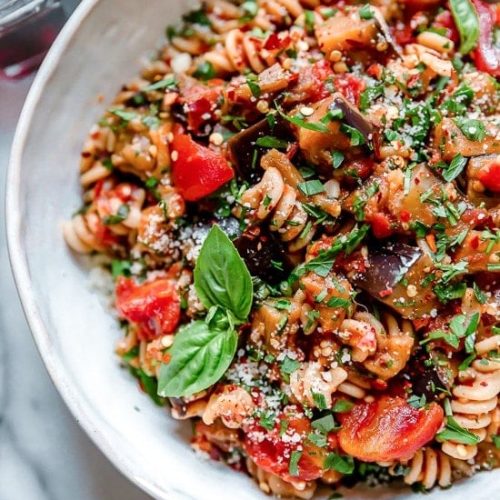
eggplant tomato sauce
Ingredients
Main Ingredients
- 1 medium eggplant cut in 0.5-inch cubes
- 4 cloves garlic smashed and chopped
- 2 tbsp extra virgin olive oil
- 28 oz can plum tomatoes including juice
- salt and fresh ground pepper
- chopped basil or parsley for garnish
Instructions
Preparation Steps
- Heat olive oil over medium-high heat in a large deep skillet, then sauté the garlic until fragrant.
- Add diced eggplant and cook for about 3 minutes, until it begins to soften.
- Coarsely chop the plum tomatoes and add them to the skillet along with their juices.
- Season with salt and fresh ground pepper. Simmer uncovered for 15 to 20 minutes until the sauce thickens.
- Add fresh chopped basil or parsley and serve the sauce over pasta or zucchini noodles.